This article may contain affiliate links. If you book through them, we may earn a small commission at no extra cost to you.
Kyoto Guide · Higashiyama Walk
Higashiyama Walking Route:
Kiyomizudera to Heian Shrine in One Morning
5km · 8 Stops · 2–5 Hours · Kyoto’s Most Complete Historical Walk
🏯 Kiyomizudera opens 6:00 AM
🎎 Sannenzaka stone-paved historical lane
⛩️ Yasaka Jinja — open 24 hours
🌳 Shorenin 800-year camphor trees
On this page
Kyoto’s Most Complete Historical Walk
The Higashiyama district — the eastern mountain foothills that have been Kyoto’s most concentrated religious and artistic landscape since the city’s founding — offers a 5km walking route from Kiyomizudera in the south to Heian Jingū in the north. The route passes through stone-paved lanes, Buddhist temple gardens, Shinto shrines, and preserved historical streetscapes in a continuous walk of 2–3 hours (4–5 hours with stops). Start by 7:30 AM to be at Kiyomizudera before crowds build.
The Route: Step by Step
1
Kiyomizudera (清水寺) — Opens 6:00 AM
One of the few major Kyoto temples with early opening. The wooden stage 13 meters above the hillside, the view across the Kyoto basin, and the Otowa-no-taki waterfall below (three streams: health, longevity, love/study). After the main hall, take the quieter forest descent rather than the tourist street. Note: Jishu Jinja, the famous love shrine adjacent, has been closed for long-term renovation since 2022 (no reopening date as of July 2026).
2
Ninenzaka & Sannenzaka (二年坂・三年坂)
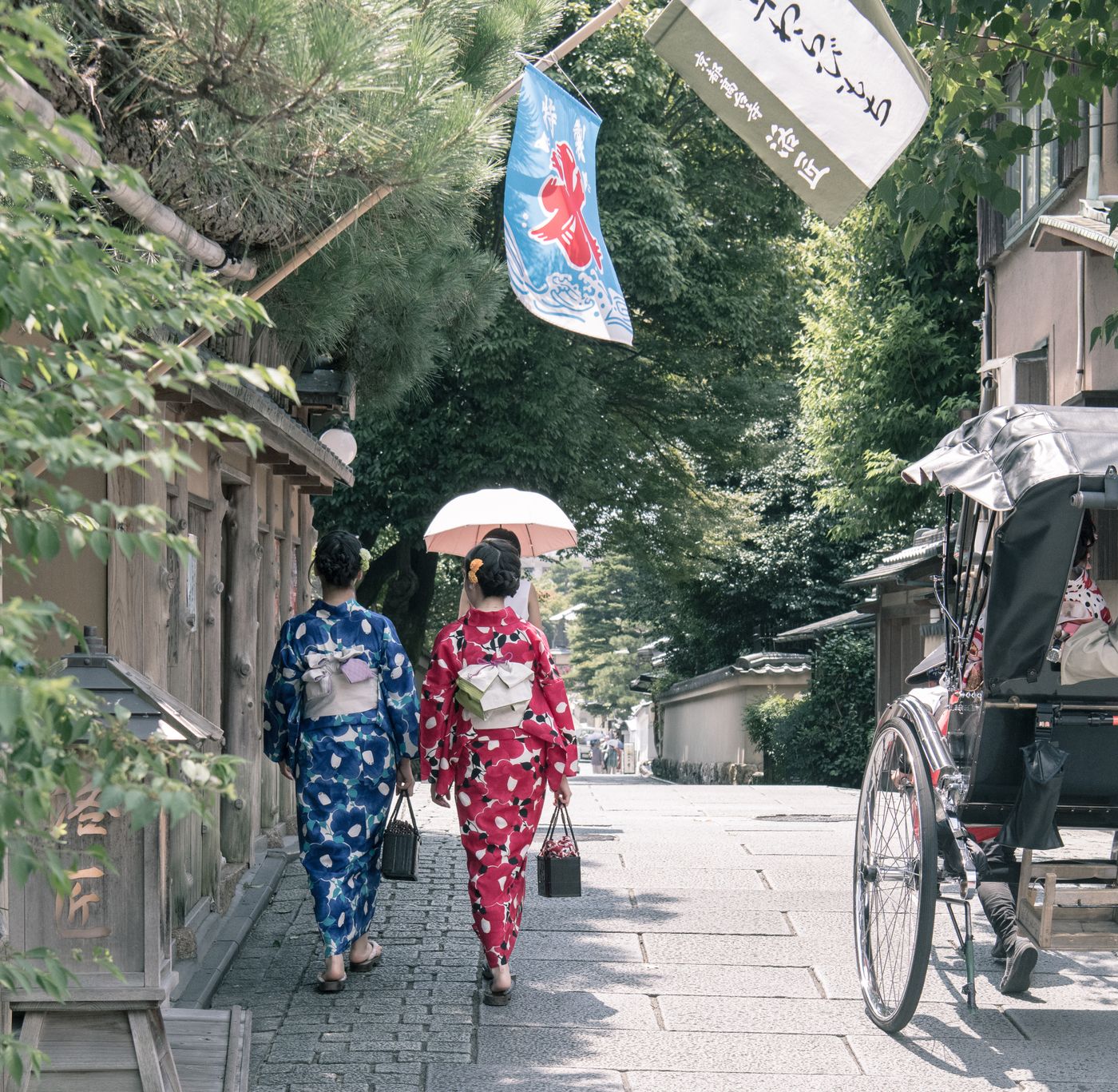
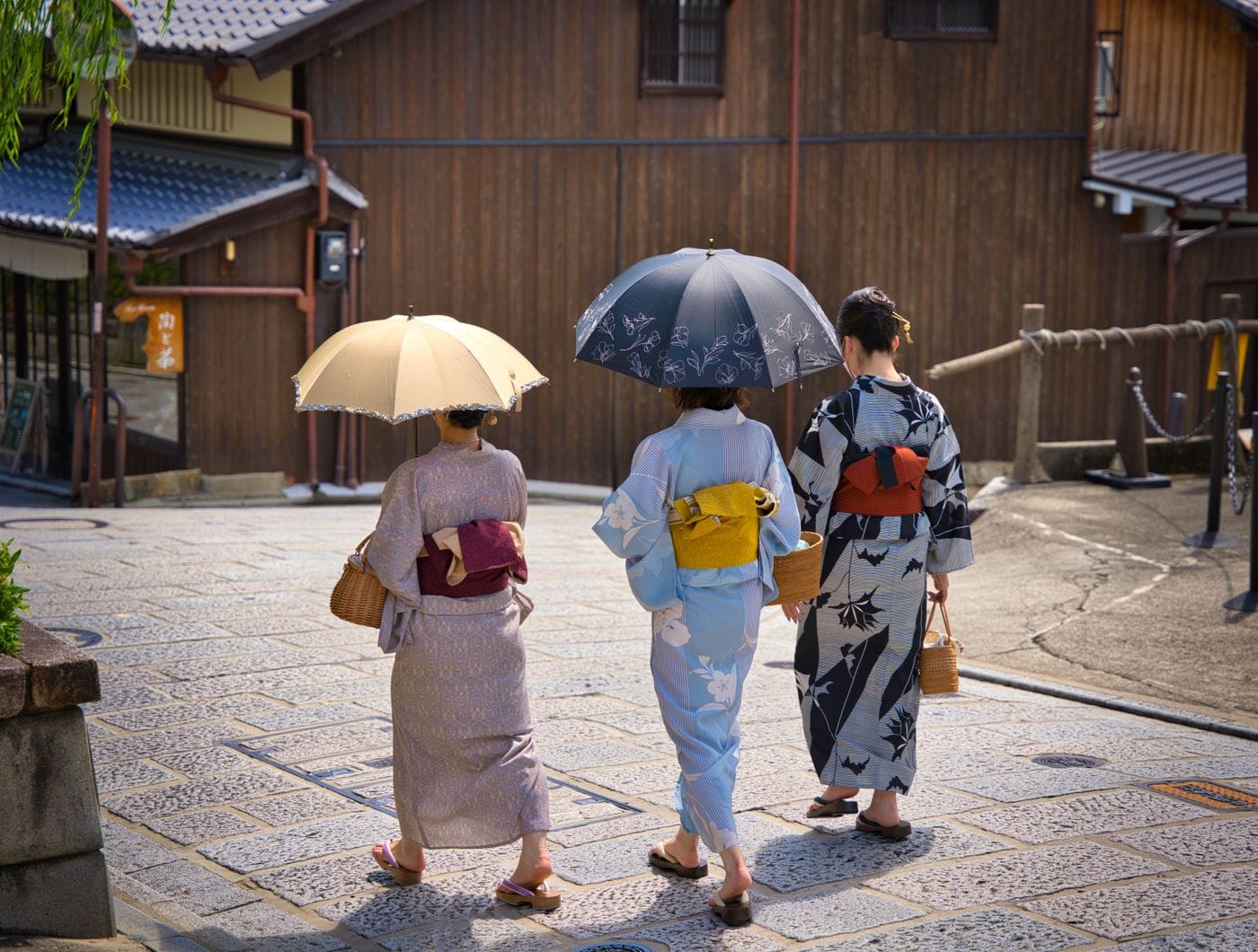
The most photographed historical streetscapes in Kyoto — Meiji-era and earlier buildings housing tea shops, craft stores, and small restaurants on stone-paved lanes. The name “Sannenzaka” comes from the tradition that tripping brings three years of bad luck. Allow 30–45 minutes for the descent.
3
Yasaka Kōshin-dō (八坂庚申堂) — The Monkey Temple
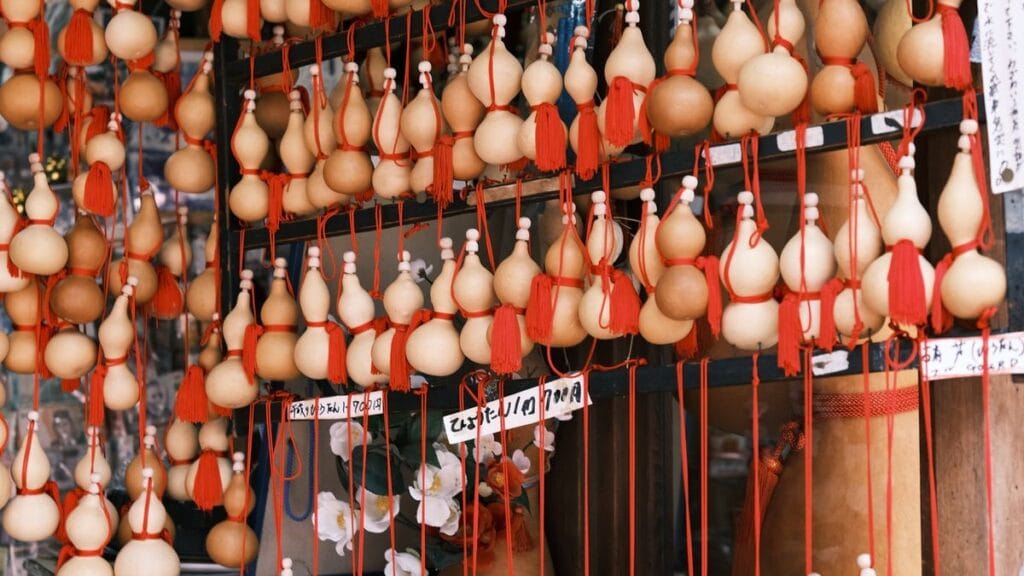
Decorated with kukurizaru (くくり猿) — colorful cloth monkeys tied in every color, hung from every surface. Origin: restraining desires (binding the monkey) allows wisdom to grow. One of the most-photographed small temples in Kyoto.
4
Kodai-ji (高台寺) — Nene’s Funerary Temple
Built in 1606 by Nene, wife of Toyotomi Hideyoshi, after his death. Zen gardens, two tea houses attributed to tea master Sen no Rikyū, and a bamboo grove. Night illuminations during spring and autumn are particularly celebrated.
5
Maruyama Park (円山公園) + Yasaka Jinja
Kyoto’s most celebrated urban park — famous for its enormous weeping cherry (one of Japan’s most photographed single trees). At most times, the park functions as the breathing space between the southern and northern route sections. Yasaka Jinja (open 24 hours) is the home of the Gion Matsuri — the atmosphere of this shrine before 9:00 AM belongs to local morning worshippers.
6
Chion-in (知恩院)
The head temple of the Jōdo sect with the largest wooden sanmon gate in Japan — 24 meters tall, 50 meters wide, so massive it appears unreal from close range. Best appreciated in evening light.
7
Shōren-in (青蓮院) — The Camphor Trees
Distinguished from outside by its enormous camphor trees — some estimated 800+ years old, root systems visible above ground in massive tangles. One of Higashiyama’s quietest and most atmospheric temple complexes, with interior fusuma paintings.
8
Heian Jingū (平安神宮) — End Point
The enormous 24-meter Ōtorii gate and expansive gravel forecourt create a sense of space rare in central Kyoto. Built 1895 to commemorate the 1,100th anniversary of the city’s founding. The Shin’en garden (神苑) — four connected gardens incorporating the Okazaki Canal — is one of Japan’s finest Meiji-period garden sequences.
Hotels
Hyatt Regency Kyoto (Luxury / from approx. ¥45,000 ~$300 USD) — best positioned hotel for the Higashiyama walking route. Kyoto Granbell Hotel (Mid-Range / from approx. ¥18,000 ~$120 USD) — Gion area, convenient starting point. All prices approximate.
Who Should Walk Higashiyama
✔ First-time Kyoto visitors with one morning
✔ Spring (cherry blossom along the route)
✔ Architecture & Japanese history enthusiasts
✔ Those who want a complete self-guided day
🏨 Planning where to stay?
Every area guide on this site pairs with honest, station-by-station hotel picks. Start here: Tokushima Hotel Guides →