This article may contain affiliate links. If you book through them, we may earn a small commission at no extra cost to you.
Shiga Hotel Guides · Seta Station
Best Hotels Near Seta Station: The Bridge the Legends Guard &
the Lake’s Quiet Corner
JR Biwako Line · Seta no Karahashi · Tawara Tota’s Centipede · Kyoto ~15 min
🌉 Seta no Karahashi — “control this bridge, control the realm”
🏹 Tawara Tota’s dragon-and-centipede legend was set right here
⛩️ Takebe Taisha — Omi’s first shrine, of Yamato Takeru
🚆 Kyoto ~15 min at leafy-suburb rates
On this page
What Kind of Area is Seta? A Local’s Honest Take
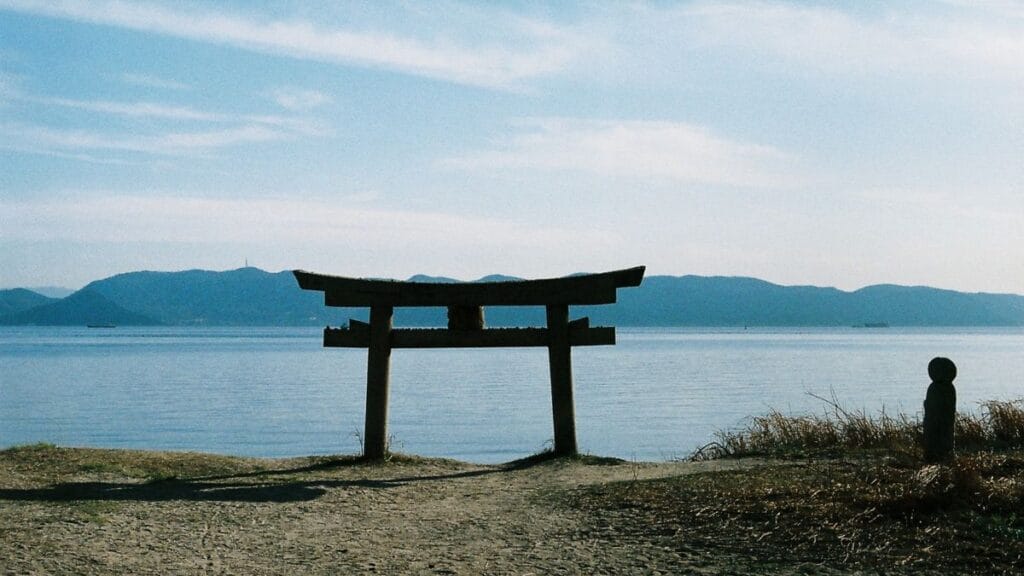
Every army that ever marched on Kyoto had to solve one problem first: the Seta no Karahashi, the lone bridge over Lake Biwa’s only outlet, fought over from the Jinshin War of 672 to the Sengoku — “who controls Karahashi controls the realm” is real strategic doctrine, not tourist copy. The current vermilion-railed span still carries traffic and sunset photographers, and the legend attached to it is Japan’s best monster story: the archer Tawara Tota, crossing over a sleeping dragon, repaid the dragon-king’s plea by slaying the giant centipede of Mikami — the tale told at nearby Ryuo-gu and in every anthology since.
Modern Seta is Otsu’s campus-and-clinic suburb — Ryukoku University, the medical school, leafy grids — whose station logic mirrors its neighbors: Kyoto ~15 minutes, rates gentler still than Ishiyama’s, calm guaranteed. Its own morning of sights holds up: Takebe Taisha, Omi province’s first shrine, enshrines Yamato Takeru beneath camphors two kilometres from the bridge; the lakefront park runs to the Biwako cycling road; and dragon-boat races and the August fireworks bring the river brilliantly alive.
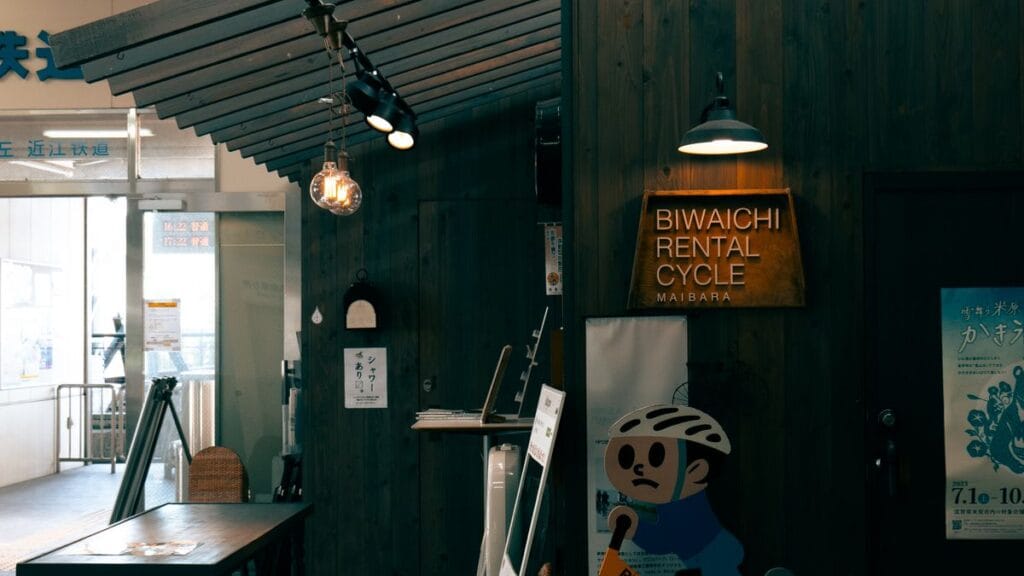
Rent a bicycle, ride the outlet’s banks — Takebe Taisha’s silence, the bridge at golden hour, Mikami’s “centipede mountain” pyramid across the water — then let the rapid whisk you to Kyoto for dinner. Legends by daylight, temple city by night, suburb prices throughout.
Getting Around from Seta
🚆 Rail
JR: Kyoto ~15 min, Ishiyama 2 min, Kusatsu 4 min — locals and some rapids.
🚲 Local
The bridge and Takebe Taisha sit 20–25 minutes’ walk (or a short bus/cycle) west; campus buses dominate the deck.
🚗 By car
The Seta interchanges launch Shigaraki, Miho Museum and the lake’s east shore.
What to See Around Seta
🌉 Karahashi at dusk
The strategic span’s vermilion rails against Mikami-yama’s cone — the Omi Eight Views’ “evening glow,” still delivered nightly.
⛩️ Takebe Taisha
Yamato Takeru’s great shrine — first of Omi — with its camphor courts and August’s lantern-lit dragon-boat rite.
🌿 The outlet banks
Rowing crews at dawn, cycling road south, fireworks in August — the lake’s working doorstep.
Where Should You Actually Stay?
Suburb-simple — the whole point is calm and change.
🏨 Station area: A modest chain-and-business cluster.
🚆 Alternative: Ishiyama (2 min) for temple romance, Kusatsu (4 min) for arcades.
Recommended hotels
- Business hotels around Seta station — quiet, campus-priced, Kyoto-convenient.
- Ishiyama or Kusatsu neighbors (minutes) — for evenings with more pulse; see our guides.
Overall Rating: Seta Area
| Category | Rating | Notes |
|---|---|---|
| Transport Access | ★★★★☆ | Kyoto 15 min on the corridor |
| Around the Station | ★★☆☆☆ | Leafy campus suburb |
| Food & Sights | ★★★☆☆ | Bridge, shrine and legends |
| Hotel Choice | ★★☆☆☆ | Modest but fair |
| Charm & Atmosphere | ★★★★☆ | Myth-soaked riverbanks, student calm |
Who Should Stay Here?
✔ Legend-and-history cyclists of the outlet banks
✔ Budget Kyoto commuters wanting extra quiet
✔ University and hospital visitors
✔ August fireworks and dragon-boat timers