This article may contain affiliate links. If you book through them, we may earn a small commission at no extra cost to you.
Japan Mountain Guide · Mount Fuji Night Hike
Climb Mount Fuji at Night:
The Complete Guide to Goraiko Sunrise
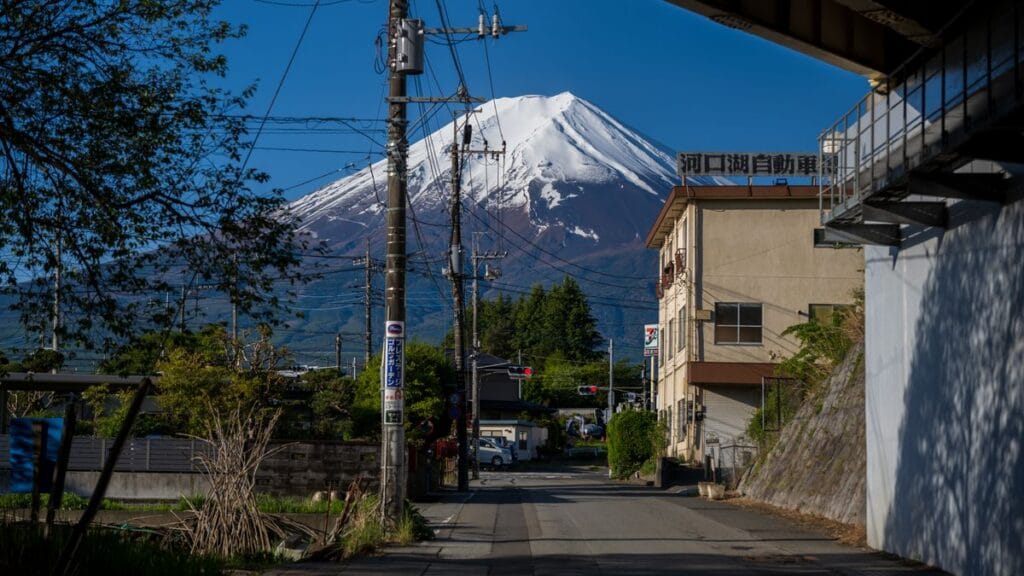
3,776m · Why 300,000 People Climb Japan’s Highest Peak in the Dark
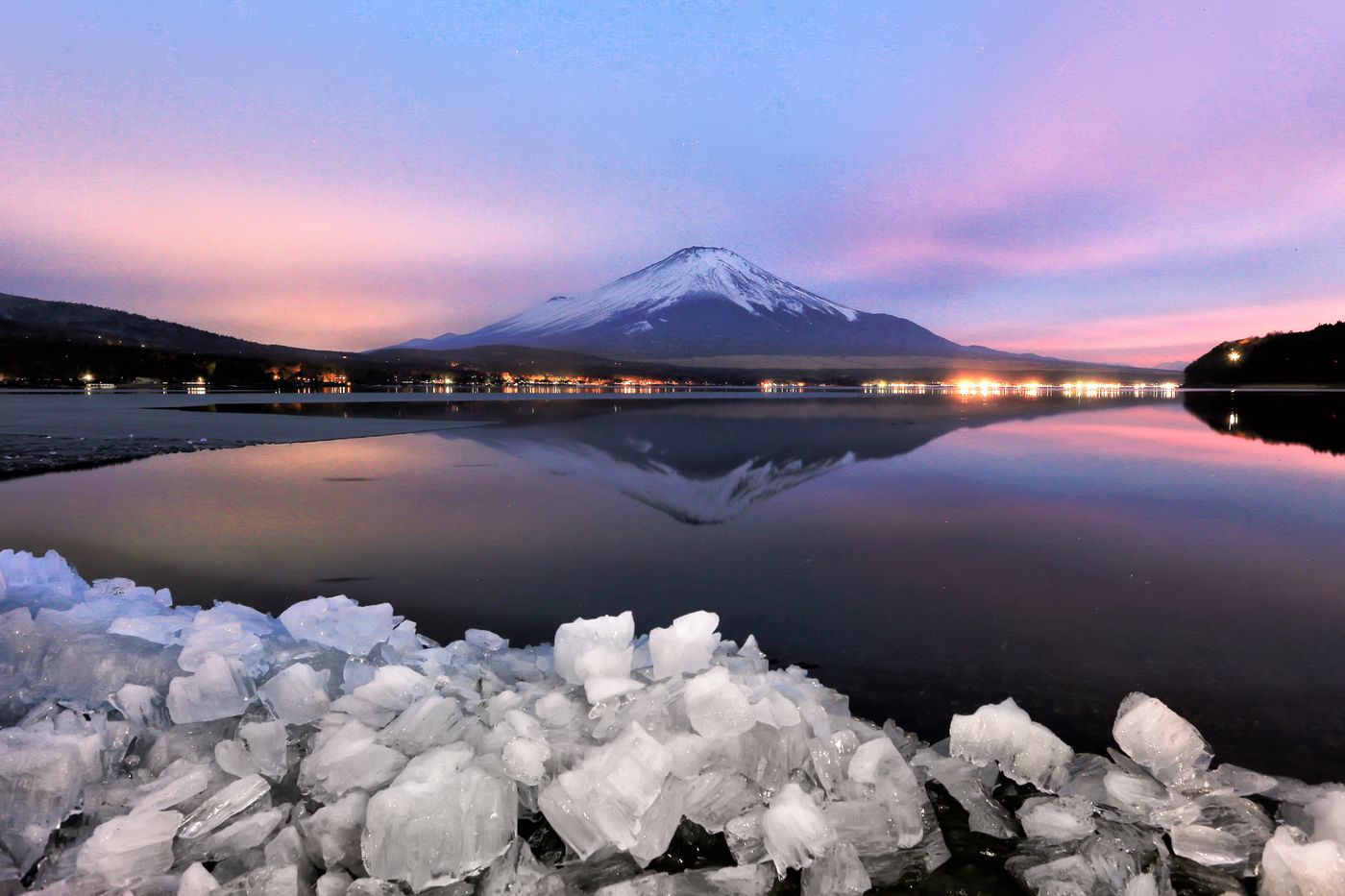
🌅 Goraiko sunrise from the crater rim
⏱️ Timing guide for any sunrise date
💊 Altitude sickness prevention — critical
📮 World’s highest post office at the summit
On this page
Why Climb in the Dark?
Around 200,000 people climb Mount Fuji each year (about 204,000 in 2024), and a large share of them time the final stretch for the dark pre-dawn hours. The reason: Goraiko (ご来光) — watching the sunrise from Japan’s highest peak, above the clouds, with the curved horizon of the Earth visible. The combination of physical exhaustion, altitude, and the extraordinary light spectacle produces an emotional response that many describe as transformative. The darkness is the price of the sunrise.
⚠️ 2026 rules — read this before planning: All four trails now charge a ¥4,000 climbing fee, and trail gates close from 2:00pm to 3:00am. Starting a night climb from the 5th Station is no longer possible — climbers without a mountain-hut reservation cannot pass the gate after 2:00pm, and "bullet climbing" (summiting overnight without a hut stay) is banned. The goraiko strategy today: enter before 2:00pm, sleep a few hours at a 7th–8th station hut, and leave the hut around 1:00–2:00am for the summit. (Rules checked July 2026.)
| Height | 3,776 meters (Japan’s highest peak) |
| Official season | Early July to early September |
| Climbing fee | ¥4,000 per person, all trails (2026) |
| Most popular trail | Yoshida Trail (吉田ルート) from Fujisan 5th Station (2,305m) |
| Climbing time | 5–8 hours ascent; 3–4 hours descent |
| Difficulty | Challenging — altitude sickness is a real risk |
Night Climb Timing: The Critical Calculation
Work backward from the sunrise time — but under the current rules the night departure is from your mountain hut at the 7th–8th station, not the 5th Station. Hut to summit takes roughly 2–4 hours. Allow extra time for your pace.
🌅 Early July
Sunrise ~4:30am · Leave an 8th-station hut around 1:00am
🌅 Late July / August
Sunrise ~5:00am · Leave the hut around 1:30–2:00am
🌅 Early September
Sunrise ~5:20am · Leave the hut around 2:00am
✦ Spend 30–60 min at 5th Station (2,305m) before starting — this acclimatization period significantly reduces altitude sickness risk.
⚠️ Altitude Sickness: The Biggest Challenge
AMS (急性高山病) is the most common reason people fail to reach the summit. Symptoms: headache, nausea, dizziness, extreme fatigue.
Prevention — the most important advice: Climb slowly. “Yukkuri, yukkuri (ゆっくり、ゆっくり)” — “slowly, slowly” — is the Japanese mountaineering saying that matters most on Fuji. A pace that feels almost too slow is the correct pace. Hydrate consistently. Stop drinking alcohol the day before. Spend acclimatization time at 5th Station before ascending.
What You Must Bring
🔦 Headlamp
Absolutely non-negotiable. Bring backup batteries. Never rely on phone light.
🧥 Three layers
Base (moisture-wicking) + mid (insulating) + outer (waterproof/windproof). Summit can be 20°C colder than trailhead.
💧 2L+ water
Water at mountain huts costs ¥500+ per bottle above 8th Station. Bring from the trailhead.
💴 ¥10,000+ cash
Mountain huts and summit facilities are cash-only.
🥢 Trekking poles
Dramatically reduce knee strain on descent. Rental available at 5th Station.
☔ Rain gear
Mountain weather changes rapidly. Rain jacket doubling as windbreak is essential.
At the Summit (3,776m)
Fujisan Hongū Sengen Taisha (奥宮): The inner shrine, open during climbing season — purchase a stamp or amulet. Japan Post office: Letters mailed from here carry the 3,776m postmark. Kengamine Peak: The true highest point — 30 min walk around the crater rim (Ohachimeguri). The Goraiko: Sky shifts from black to dark blue to pale violet to gold — then the first light of the sun above the cloud layer far below. The suffering of the night ascent becomes immediately worthwhile.
Getting There & Hotels
From Tokyo: Shinjuku → direct express bus to the Subaru Line 5th Station ~2.5 hrs (¥3,500, climbing season only — checked July 2026). Keio and Fujikyu Highland operate buses with night service during climbing season.
Base hotels: Highland Resort Hotel & Spa (Mid-Range / from approx. ¥18,000 ~$120 USD) — beside Fuji-Q Highland, a convenient pre-climb base. K’s House MtFuji (Budget / from approx. ¥3,500 ~$23 USD) — popular international guesthouse in Kawaguchiko, excellent for meeting fellow Fuji climbers. Fuji Speedway Hotel (Luxury / from approx. ¥30,000 ~$200 USD).
All prices approximate. Verify on booking sites.
Who Should Climb Fuji at Night
✔ Those who want a transformative physical experience
✔ Sunrise photography seekers
✔ Anyone who wants to say they climbed Japan’s highest peak
✔ Reasonably fit travelers aged ~14–65
🏨 Planning where to stay?
Every area guide on this site pairs with honest, station-by-station hotel picks. Start here: Yamanashi Hotel Guides →