This article may contain affiliate links. If you book through them, we may earn a small commission at no extra cost to you.
Tokaido Shinkansen Guide · Kakegawa Station
Best Hotels Near Kakegawa Station: A Real Wooden Castle &
the Tea Hills of Makinohara
A Quiet Kodama Stop · One of Japan’s Few Authentic Wood-Rebuilt Castles · Deep Tea Country
🚄 Tokyo in ~1 hr 40 min on the Kodama
🏰 Kakegawa Castle — rebuilt in real timber, not concrete
🍵 Gateway to the Makinohara tea plateau
🦜 Kakegawa Kachoen bird & flower garden by the station
On this page
What Kind of Area is Kakegawa? A Local’s Honest Take
Kakegawa is a small, tidy castle town in the heart of Enshu tea country — the kind of place the shinkansen makes surprisingly reachable and almost nobody stops at. Only Kodama call here, so it is quiet by design. What it offers is genuine: one of the very few Japanese castles reconstructed in real wood rather than concrete, a beloved bird garden right by the station, and the rolling green tea hills of Makinohara close by.
It is not a place you build a trip around, but it is a rewarding half-day — or a calm, cheap overnight for tea-country exploring and for riding the wonderfully old-fashioned Tenryu Hamanako local line that starts here.
Kakegawa Castle’s keep was rebuilt in 1994 using traditional joinery and timber — you can feel it the moment you step inside: the smell of wood, the creak of the stairs, none of the museum-concrete feel of most reconstructions.
Getting Around from Kakegawa
🚄 Shinkansen
Tokyo ~1 hr 40 min · Shizuoka ~15 min · Hamamatsu ~10 min — Kodama only. With only all-stations trains stopping, plan around the timetable.
🚂 Tenryu Hamanako Line
Kakegawa is the eastern end of this rural single-track line, a nostalgic ride past rice fields and retro wooden stations toward Lake Hamana.
🍵 To the tea fields
Buses and taxis climb to the Makinohara plateau, Japan’s largest tea-growing area, where you can walk between the hedgerows and visit tea-tasting facilities.
What to See Around Kakegawa
🏰 Kakegawa Castle
A graceful hilltop keep 10–15 minutes on foot from the station, with the adjacent Ninomaru palace — an original Edo-period building and an Important Cultural Property — that survived where the keep did not.
🦜 Kakegawa Kachoen
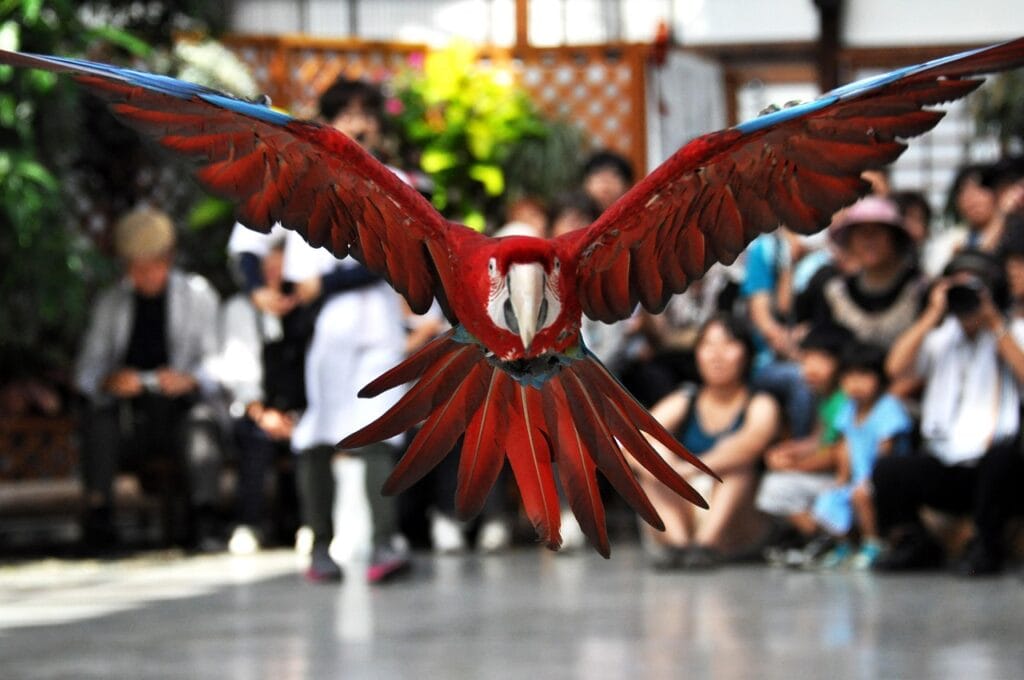
A hugely popular bird-and-flower park beside the station where owls, penguins and toucans perch close enough to feed — a reliable hit with families and a genuine local highlight.
🍵 Makinohara tea plateau
Endless emerald tea hedges to the south, most photogenic from late spring — the productive heart of Shizuoka’s tea industry.
Where Should You Actually Stay?
Kakegawa’s accommodation is limited and practical — a stopover town rather than a resort.
🏨 Station-front business hotels: A handful of reliable budget and mid-range hotels sit by the shinkansen exit, fine for a tea-country base or a quiet, cheap night on the Tokaido.
🍵 For tea travelers: Kakegawa works well as a low-cost base for exploring Makinohara and the Enshu plain by day.
🏙️ Want more choice? Hamamatsu (10 min west) offers a far bigger city with more hotels and food while staying close.
Overall Rating: Kakegawa Area
| Category | Rating | Notes |
|---|---|---|
| Shinkansen Access | ★★★☆☆ | Kodama only, ~1 hr 40 min to Tokyo |
| Around the Station | ★★★☆☆ | Castle and bird garden within walking distance |
| Tea Country | ★★★★☆ | Gateway to the Makinohara plateau |
| Hotel Choice | ★★☆☆☆ | Limited; practical business hotels |
| Charm & Atmosphere | ★★★☆☆ | Quiet, authentic small castle town |
Who Should Visit or Stay?
✔ Castle enthusiasts wanting a real timber keep
✔ Tea-country day-trippers
✔ Families visiting Kachoen
✔ Rail fans riding the Tenryu Hamanako line