This article may contain affiliate links. If you book through them, we may earn a small commission at no extra cost to you.
Souvenir Guide · Where to Buy
The Don Quijote Souvenir Method —
How to Survive (and Win) Japan’s 24-Hour Discount Labyrinth
Why Donki Works · The One-Basket Strategy · Tax-Free Mechanics · When to Skip It
On this page
What Don Quijote Actually Is
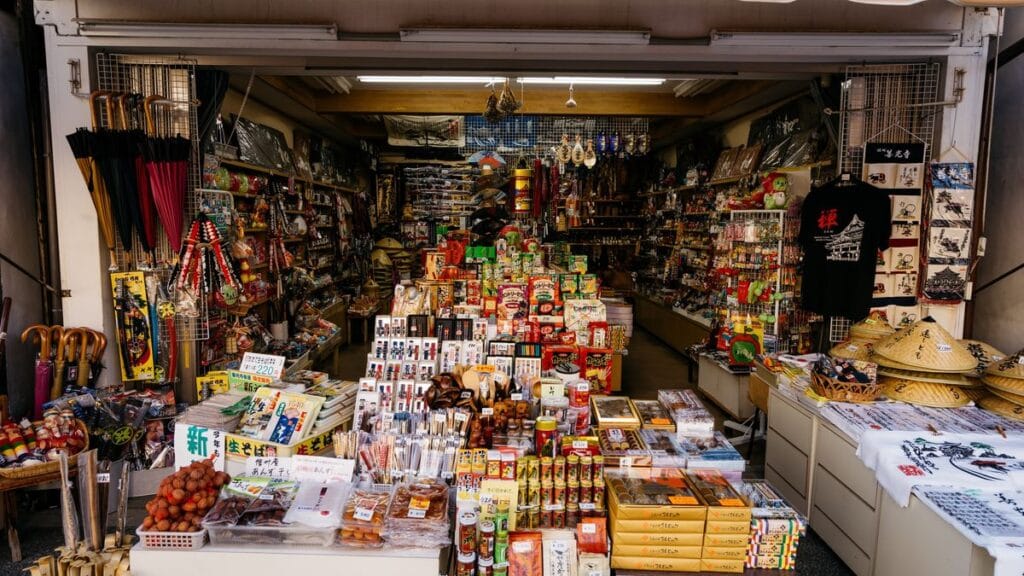
Don Quijote — Donki — is Japan’s discount id: five floors of snacks, cosmetics, electronics, costumes and knives stacked to the ceiling in deliberate chaos, soundtracked by a jingle you will hear in dreams, open essentially always. It is also, used correctly, the single most efficient souvenir stop in Japan: one basket, one tax-free receipt, half the haul done at midnight.
What Donki Wins At
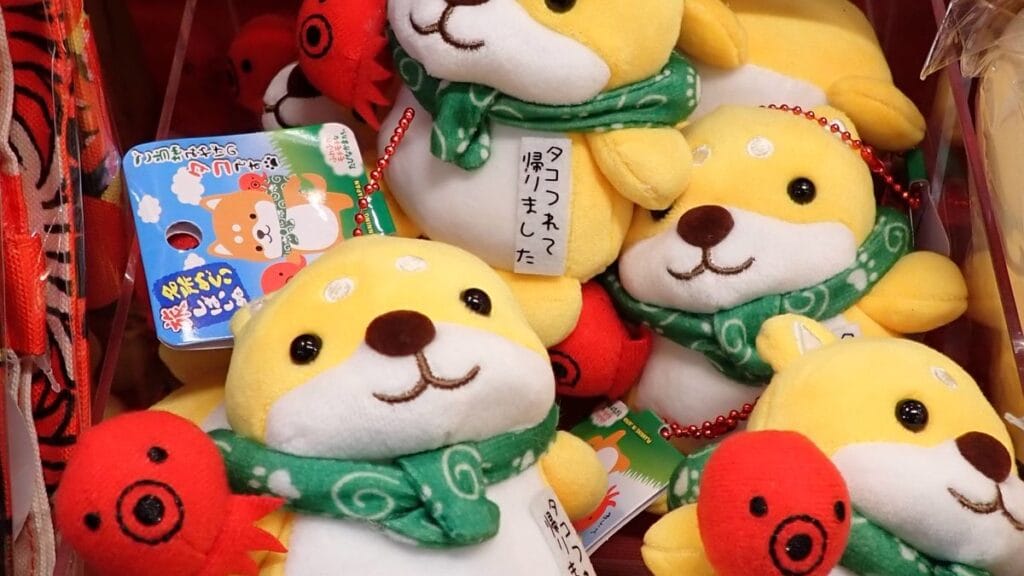
Snack bulk — Kit-Kat family bags, jagariko multipacks, kaki no tane tins at supermarket-or-better prices (the Kit-Kat guide and conbini list both shop well here). Drugstore staples — the sheet masks, eye drops and Salonpas of the drugstore list. Gag-adjacent gifts — samurai-wig headbands, sushi socks, wasabi everything. Odd hours — the 1am realization that you have nothing for your team? Donki is awake.
What Donki Loses At
Elegant boxed omiyage (station halls beat it — see the Gransta method), anything requiring calm comparison (crafts, knives — buy those in Kappabashi), and your sense of time.
The One-Basket Strategy
Go once, late in the trip, list in hand. Start on the snack floor, descend through cosmetics, ignore the middle floors entirely (electronics are cheaper at Bic; costumes are a trap that ends in owning a Pikachu onesie). Keep everything in one transaction: tax-free needs ¥5,000 (approx. $33)+ per store per day, passport physically present — the dedicated tax-free counters process it fast, and consumables get sealed into bags you shouldn’t open before departure (a rule that disappears on November 1, 2026, when Japan switches to airport refunds). Mega Donki branches like Shibuya have the best late-night flow; Asakusa’s for the tourist-mix, Okinawa’s for regional exclusives.
Keep exploring
🏨 Planning where to stay?
Every area guide on this site pairs with honest, station-by-station hotel picks. Start here: Hotel Guides by Station →