This article may contain affiliate links. If you book through them, we may earn a small commission at no extra cost to you.
Tohoku Shinkansen Guide · Iwate-Numakunai Station
Iwate-Numakunai Station: The Quietest Platform on the Trunk Line —
Iwate Town’s Sculpture Fields & the Honest Truth
Rural Iwate · One of Japan’s Least-Used Shinkansen Stations · A Local’s Reality Check
🚄 Morioka ~11 min · ~6–8 stopping trains a day
🎨 Ishigami-no-Oka open-air sculpture museum
🧅 Iwate town — Japan’s biggest spring cabbage country
🛏️ Minimal lodging — sleep in Morioka
On this page
What Kind of Area is Iwate-Numakunai? A Local’s Honest Take
Iwate-Numakunai serves Iwate town (population ~12,000) and holds a strange distinction: on the mighty Tohoku trunk line, it is the stop the fewest passengers use — only a handful of Hayabusa pause here daily, sliding in at a station whose vaulted concourse feels built for crowds that visit mainly in statistical form. Rail enthusiasts collect it the way birders collect rarities.
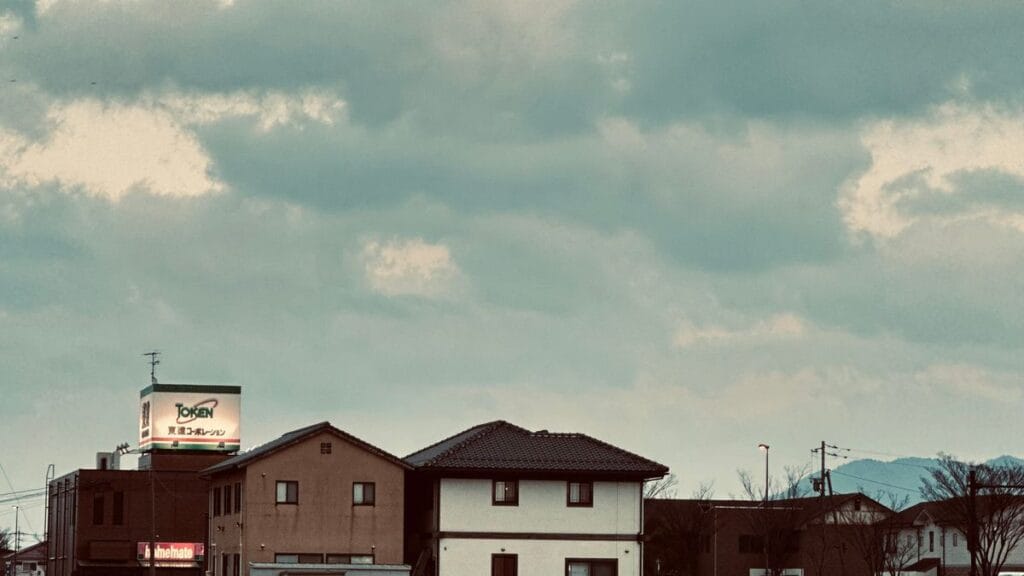
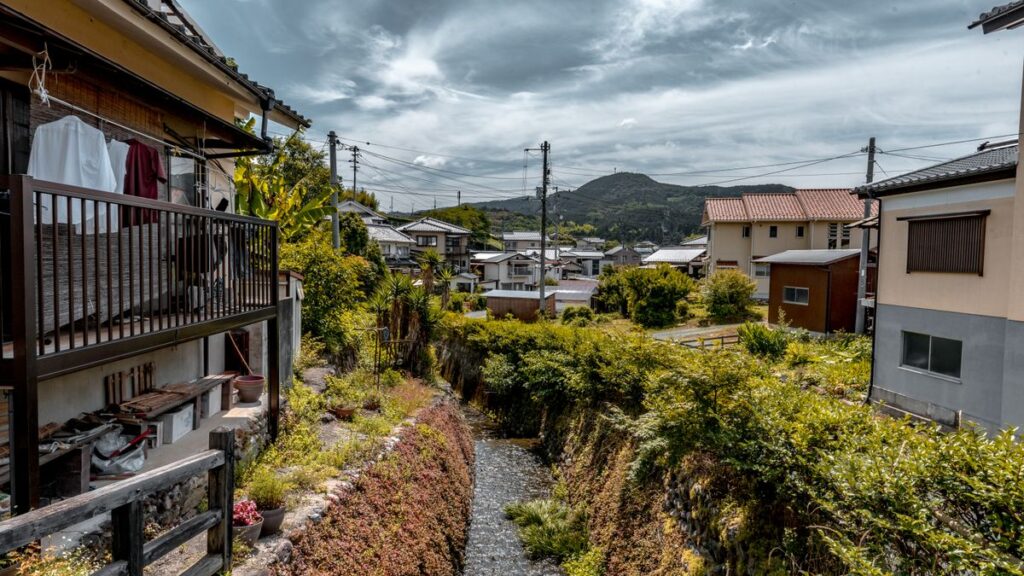
And the town it serves? Gentle, agricultural, proud of exactly two things a traveler can enjoy: Ishigami-no-Oka, an open-air hilltop sculpture museum whose granite works stand against Iwate’s big sky (and, in early summer, 30,000 lavender plants), and some of Japan’s best highland cabbage — a spring harvest prized by Tokyo’s finest tonkatsu shops. This is deep, real, unperformed Tohoku.
If you stop, stop deliberately: rent nothing, expect nothing, walk the 15 minutes to Ishigami-no-Oka in late June when the lavender rows bloom against the sculpture hill, then catch the evening train out. It will be one of the quietest, oddest, loveliest hours of your trip.
Getting Around from Iwate-Numakunai
🚄 Shinkansen
Morioka ~11 min · Ninohe ~12 min. Roughly 6–8 stopping services per day each way — memorize your return train. Line overview: Tohoku Shinkansen guide.
🚃 IGR Iwate Galaxy Railway
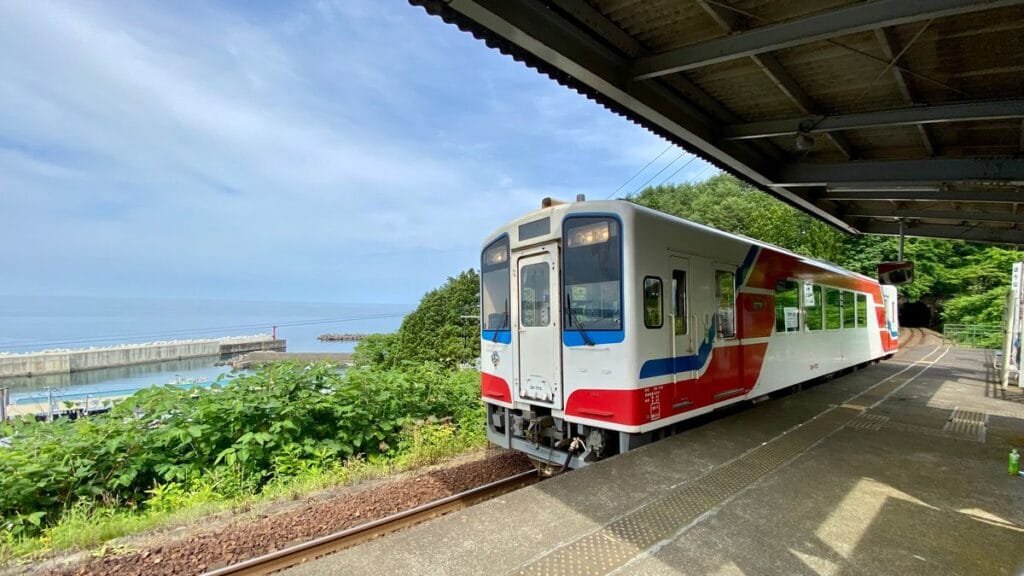
The local line (its name honors Miyazawa Kenji’s galactic railroad) parallels the shinkansen with more frequent, cheaper service to Morioka — often the better tool here.
What to See Around Iwate-Numakunai
🎨 Ishigami-no-Oka
Iwate’s first open-air sculpture museum: granite abstractions on a windswept hill, lavender festival in June–July, and a michi-no-eki below for soft-serve and cabbage souvenirs.
🌾 The Kitakami Headwaters Country
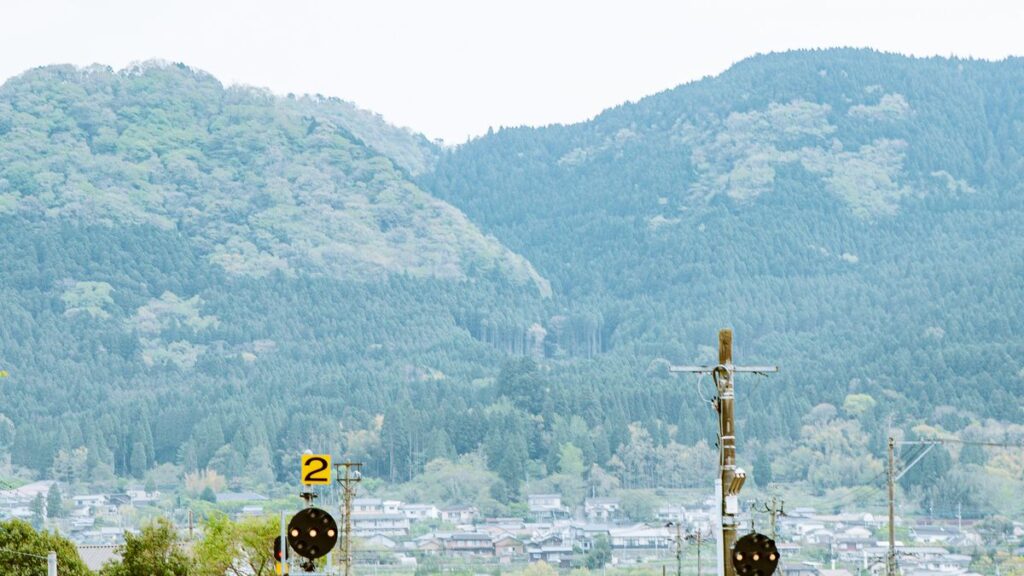
The great river of Tohoku rises in these hills; cycling the quiet valley roads between rice paddies and larch windbreaks is the town’s true attraction for the few who try it.
⛩️ Onsenkyo Detours
Drivers can push west toward the Hachimantai foothills’ rustic springs — but at that point, base at Morioka and do it properly.
Where Should You Actually Stay?
In Morioka — honestly, and without hesitation. Eleven shinkansen minutes (or a cheap IGR ride) puts the whole Morioka hotel row at your service. Iwate town has a couple of small inns and a michi-no-eki, but nothing bookable in English worth planning around. Treat Iwate-Numakunai as what it is: a deliberate detour, a rail-fan checkbox, a lavender hour — then sleep in the city.
Overall Rating: Iwate-Numakunai Area
| Category | Rating | Notes |
|---|---|---|
| Shinkansen Access | ★★☆☆☆ | Few trains — but Morioka is 11 min |
| Around the Station | ★☆☆☆☆ | Small town, big sky |
| Quiet-Japan Value | ★★★★☆ | Sculpture hill + lavender + silence |
| Hotel Choice | ★☆☆☆☆ | Sleep in Morioka |
| For Rail Fans | ★★★★☆ | The trunk line’s rarest stamp |
Who Should Visit (Not Stay)?
✔ Rail-fans completing the Tohoku set
✔ June–July lavender photographers
✔ Travelers who collect the Japan nobody performs