This article may contain affiliate links. If you book through them, we may earn a small commission at no extra cost to you.
Ghibli Real Locations · The Wind Rises
The Wind Rises: The Highland Resort
Where Jiro and Naoko Fell in Love
Karuizawa, Nagano — Japan’s Most Beloved Mountain Resort · The 1894 Manpei Hotel
🏨 Manpei Hotel — est. 1894, John Lennon’s regular stay
🌲 Kyu-Karuizawa — century-old cedar resort district
🚄 70 min from Tokyo by Hokuriku Shinkansen
🌿 Karuizawa highland vegetables
Miyazaki’s Most Personal Film
Released in 2013, The Wind Rises is a biographical film about the real aeronautical engineer Horikoshi Jiro, who designed the Mitsubishi Zero fighter used in World War II. It is Miyazaki’s most adult and most autobiographical film — a meditation on beauty, creation, historical complicity, and love framed against the shadow of war.
The resort scenes — where Jiro and Naoko meet, reconnect, and finally marry — are set in a Karuizawa-style highland retreat that corresponds closely to the real Karuizawa of the early Showa period: cedar forests, cool mountain air, a Western-style hotel with long wooden verandas, and the sense of a Japan simultaneously reaching for modernity and approaching catastrophe.
Access: Hokuriku Shinkansen from Tokyo Station to Karuizawa Station — approx. 70 min.
🏨 Manpei Hotel (Est. 1894)
The most credible single model for the film’s resort hotel. Founded in 1894, Manpei is Karuizawa’s oldest and most storied hotel — set in cedar grounds, with Tudor-style architecture and the unhurried atmosphere of a pre-war mountain resort. John Lennon stayed here regularly in the late 1970s. The long covered terrace, the dining room’s white tablecloths, the quality of afternoon light through old glass windows — these are what the film’s hotel sequences evoke.
Staying at Manpei is not required for the location experience, but it is the most complete single version of it available. Day visitors can use the café and lobby.
✦ Manpei Hotel (Luxury / from approx. ¥40,000/night ~$267 USD) · Reserve well in advance for summer and autumn weekends
🌲 Kyu-Karuizawa Ginza & Cedar Lanes
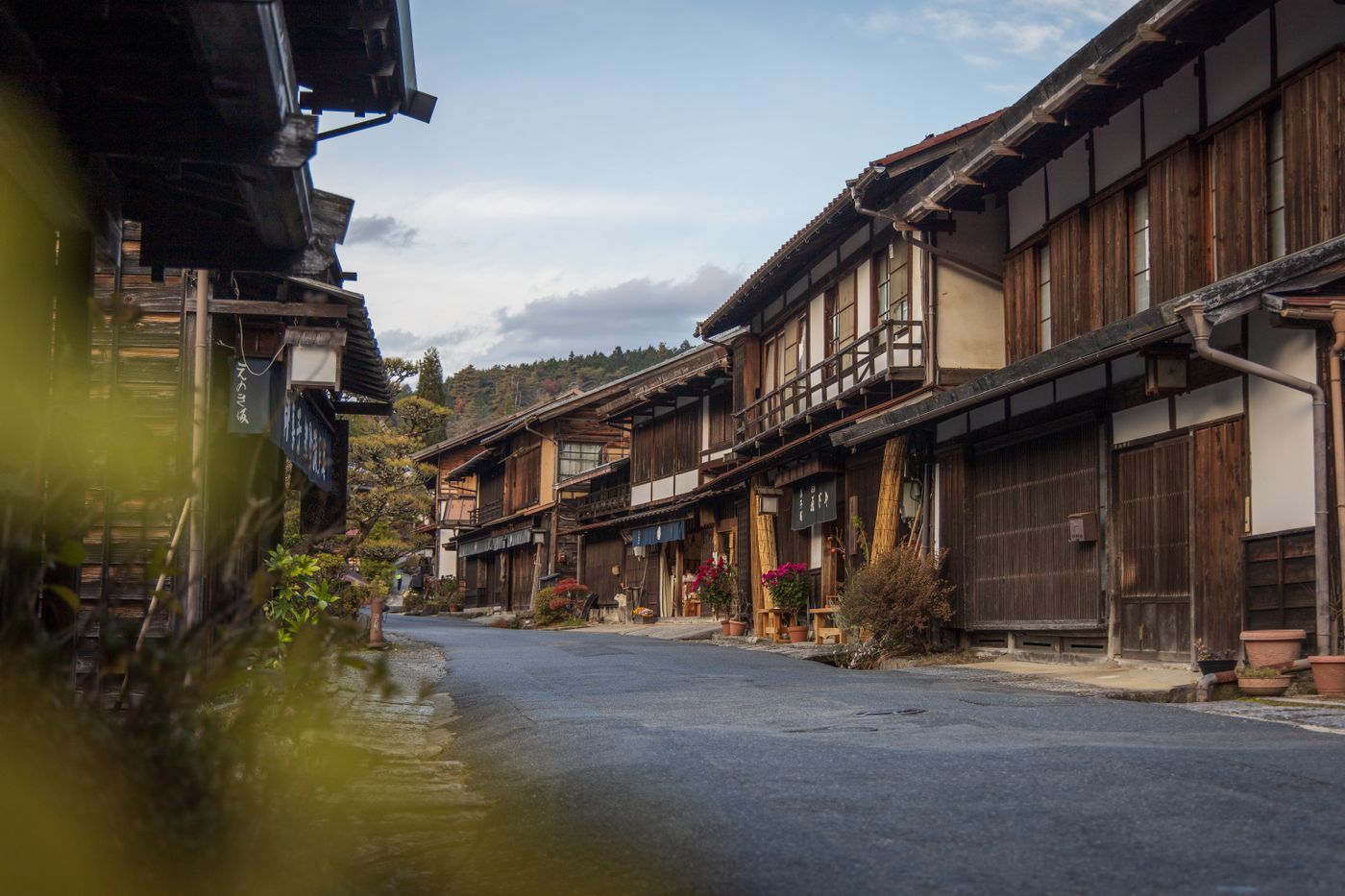
The old resort quarter of Karuizawa retains much of its pre-war character — cedar-shaded lanes, low-rise wooden buildings, the tempo of a place designed for unhurried walks. The main shopping street (Kyu-Karuizawa Ginza) has become more commercial, but the side lanes and the approach to Kumoba Pond still feel like the resort backdrop of the film.
🌊 Kumoba Pond (Swans & Cedar Reflection)
A small pond at the edge of the old resort area, fringed with cedars and home to swans. The reflection of the trees in the still water and the quiet of the location — a short walk from the busy Ginza — captures the film’s resort interlude atmosphere more immediately than anywhere else in Karuizawa.
What to Eat & More Hotels
Karuizawa food: Highland vegetables (freshness and sweetness unlike lowland produce) · Refined French and Italian restaurants influenced by the resort’s long international history · Domestic cheese from Karuizawa dairy farms
Alternative hotels: Karuizawa Prince Hotel (Mid-Range–Upper / from approx. ¥25,000 ~$167 USD) — closest to the Shinkansen station, large resort complex. Hoshinoya Karuizawa (Luxury / from approx. ¥60,000 ~$400 USD) — Hoshino Resort’s flagship; stream-valley setting, highest design standard in the area.
All prices approximate. Verify on booking sites.
Who Should Visit
✔ The Wind Rises fans
✔ Couples & honeymoon travelers
✔ Meiji–Showa architecture enthusiasts
✔ Tokyo travelers wanting a highland escape
✔ John Lennon & cultural history fans
🏨 Planning where to stay?
Every area guide on this site pairs with honest, station-by-station hotel picks. Start here: Nagano Hotel Guides →