
This article may contain affiliate links. If you book through them, we may earn a small commission at no extra cost to you.
On this page
Introduction: Volunteering in Japan Is Real, But It’s Scattered
Unlike countries with a single well-known national volunteer-tourism clearinghouse, Japan’s options are spread across NPOs, prefectural tourism boards, farm networks, and international workcamp organizations — which makes the programs genuinely legitimate, since most exist to serve real local needs rather than the tourism market, but also means finding them takes more digging than searching “volunteer tourism Japan” once. Beyond farm work and satoyama forest maintenance, covered elsewhere on this site, a few other categories are worth knowing about.
Coastal and Beach Cleanup Programs
Local environmental NPOs along Japan’s coastline, particularly in Okinawa, the Seto Inland Sea, and parts of the Sea of Japan coast, run periodic beach and coral-reef cleanup days that are usually open to anyone, foreign visitors included, with no long-term commitment required — a good fit for travelers who want to contribute a single day rather than plan a program around it.
Machizukuri: Local Revitalization Projects
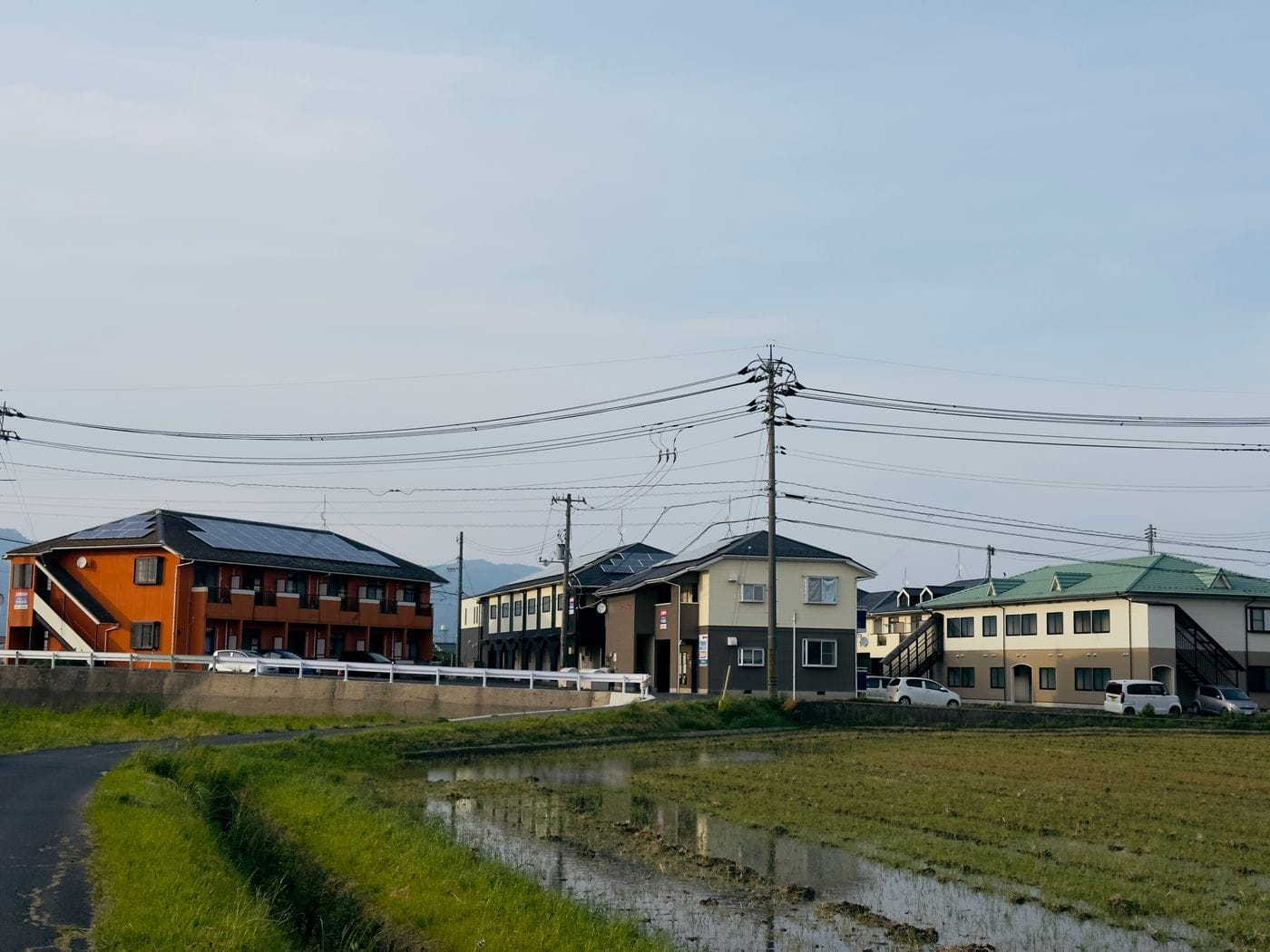
Machizukuri (町づくり, literally “town-making”) is the umbrella term for Japan’s extensive network of community revitalization efforts in shrinking rural towns — renovating abandoned akiya (empty houses), helping run local festivals that are short on younger volunteers, or assisting small-scale tourism projects designed to bring visitors and residents back to depopulating areas. These projects are typically organized through municipal offices or local NPOs rather than a national platform, and often welcome foreign volunteers specifically because an international presence is itself part of what the town is trying to demonstrate it can attract.
English Conversation Exchange Volunteering
A lower-commitment but genuinely common option: community centers, schools, and NPOs in smaller cities regularly look for native or fluent English speakers to join informal conversation sessions, sometimes in exchange for a homestay night or a home-cooked meal. These aren’t structured teaching placements and require no qualifications — just a willingness to have an actual conversation, which is often exactly what a rural community with limited exposure to foreign visitors is looking for.
How to Find a Legitimate Program
Start with Activo. Japan’s largest volunteer-listing platform aggregates postings across categories, including disaster recovery, environment, and community work, and is a reasonable first stop even with limited Japanese — machine translation is generally sufficient to identify programs worth contacting directly.
Check prefectural and municipal tourism sites. Rural prefectures actively trying to attract visitors, particularly in Tohoku, Shikoku, and parts of Kyushu, often list volunteer and work-exchange programs directly on their official tourism pages.
Go through an established NPO rather than an informal contact. Organizations like NICE, WWOOF Japan, and municipal volunteer centers carry insurance, have run the program before, and know how to work with a participant who doesn’t speak Japanese — all things an informal arrangement found through social media generally can’t guarantee.
🏨 Planning where to stay?
Every area guide on this site pairs with honest, station-by-station hotel picks. Start here: Hotel Guides by Station →