This article may contain affiliate links. If you book through them, we may earn a small commission at no extra cost to you.
On this page
Introduction: The Camp-Style Volunteering Model
NICE (Never-ending International workCamps Exchange) is Japan’s main international workcamp organization, part of a global network affiliated with UNESCO’s CCIVS that runs roughly 3,000 workcamps a year across around 94 countries. In Japan specifically, NICE has run international workcamps for over three decades, bringing Japanese and international volunteers together to live, eat, and work side by side for one to a few weeks at a time.
What a Workcamp Actually Involves
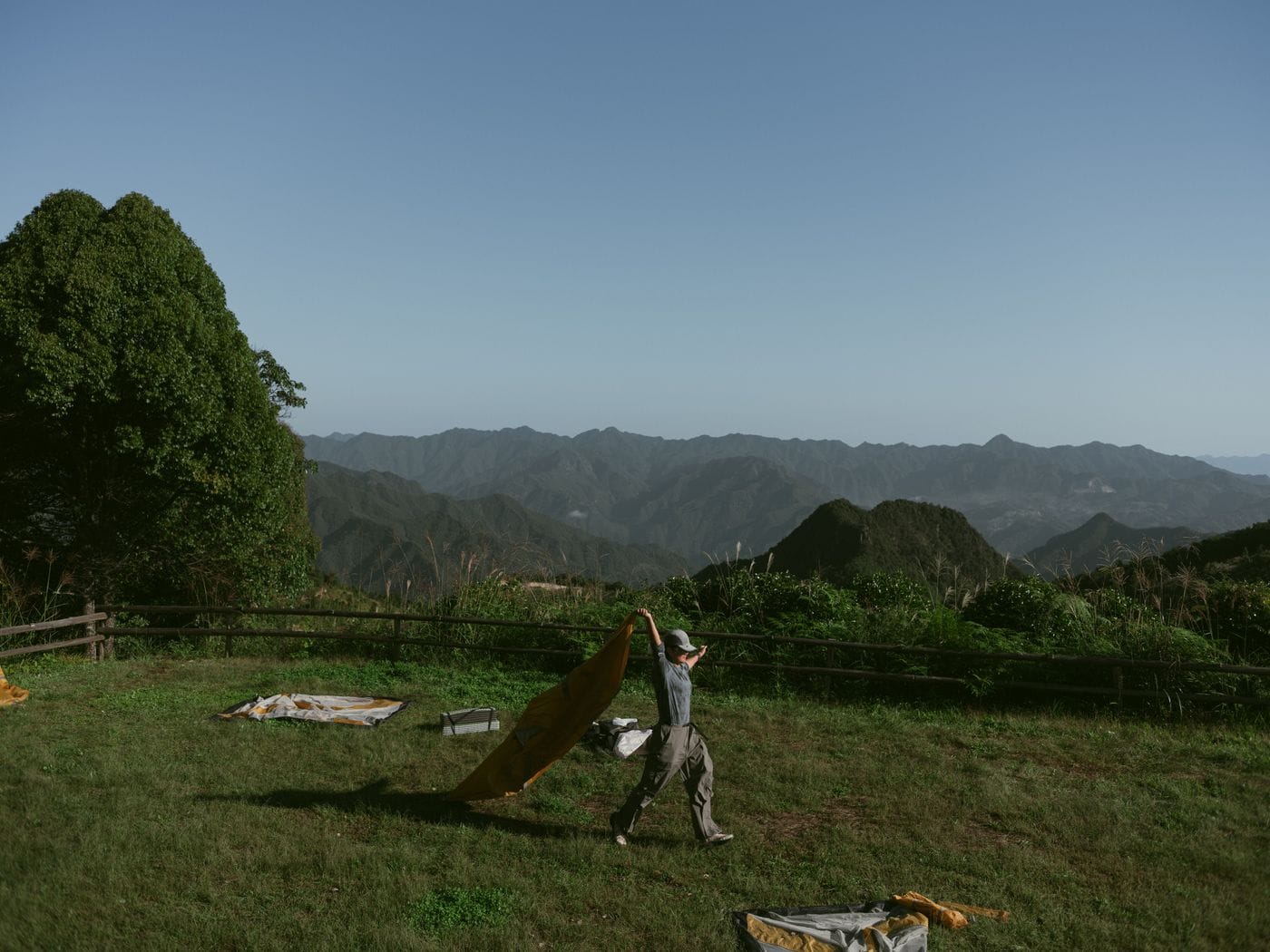
A typical NICE workcamp gathers around ten volunteers — a mix of Japanese participants and travelers from abroad, often five or so of each — who stay together in shared, simple accommodation such as a mountain hut or converted farmhouse. Mornings and early afternoons are spent on the actual project: thinning overcrowded cedar and cypress plantations, clearing undergrowth in neglected coppice woodland, or cutting back invasive bamboo that has spread into forest that once supported a mixed ecosystem. Meals are self-catered as a group, and evenings are typically left for workshops, cultural exchange, or simply unwinding together — the shared living is treated as being just as central to the program as the work itself.
Why Satoyama Needs the Help
Satoyama — the managed border zone between village and mountain forest that once supplied a Japanese community with firewood, charcoal, and building timber — has been quietly collapsing across rural Japan for decades, as fewer households need those resources and rural populations age and shrink. Neglected cedar plantations grow too dense for sunlight to reach the forest floor, and bamboo, left uncut, spreads aggressively into surrounding woodland. Workcamp volunteers are doing maintenance work that used to be routine village labor and, in many areas, simply no longer happens without outside help.
Who This Program Suits
NICE workcamps are aimed squarely at travelers who want physical work, a genuinely international group rather than an all-foreigner tour group, and no fixed daily schedule beyond the work itself — not travelers looking for a curated cultural experience with a guide narrating each stop. Japanese-language ability isn’t required; camps are run with English as a working language among the international group, with Japanese participants often using the camp as their own opportunity to practice English.
Getting Involved
Programs are listed and bookable through NICE’s own site, typically requiring a modest participation fee that covers food and basic materials rather than wages — the same work-for-experience structure used across the international workcamp movement generally, not specific to Japan.
🏨 Planning where to stay?
Every area guide on this site pairs with honest, station-by-station hotel picks. Start here: Toyama Hotel Guides →