This article may contain affiliate links. If you book through them, we may earn a small commission at no extra cost to you.
On this page
Introduction: Two Weekends a Year Anchor Japan’s Rice Calendar
Rice planting (田植え, taue) in May and June and rice harvest (稲刈り, inekari) in September and October are the two busiest points in the Japanese farming year, and a long-running tradition of volunteer and short-term paid labor around both events — originally aimed at Japanese city dwellers reconnecting with rural family land — has increasingly opened up to foreign travelers as rural populations shrink and farms need the extra hands.
What the Work Actually Involves
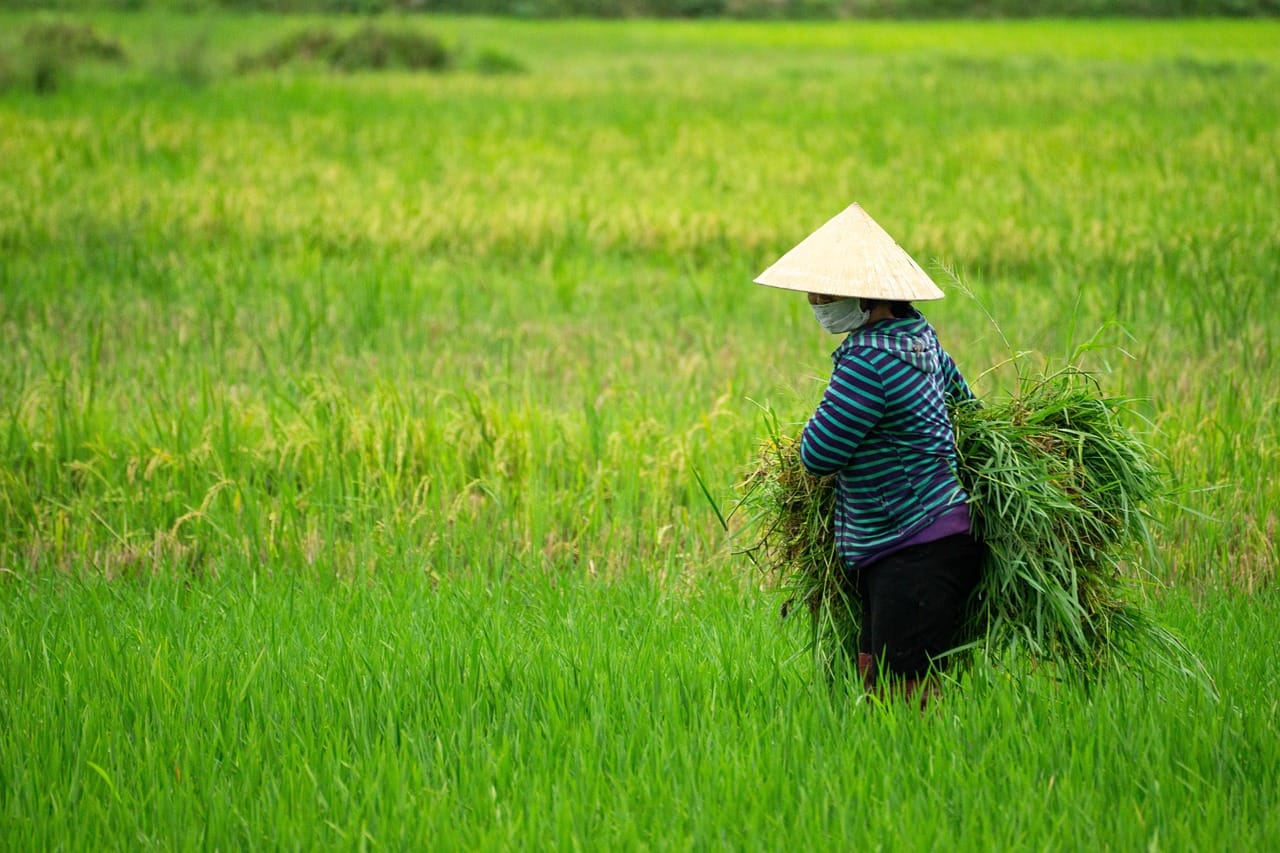
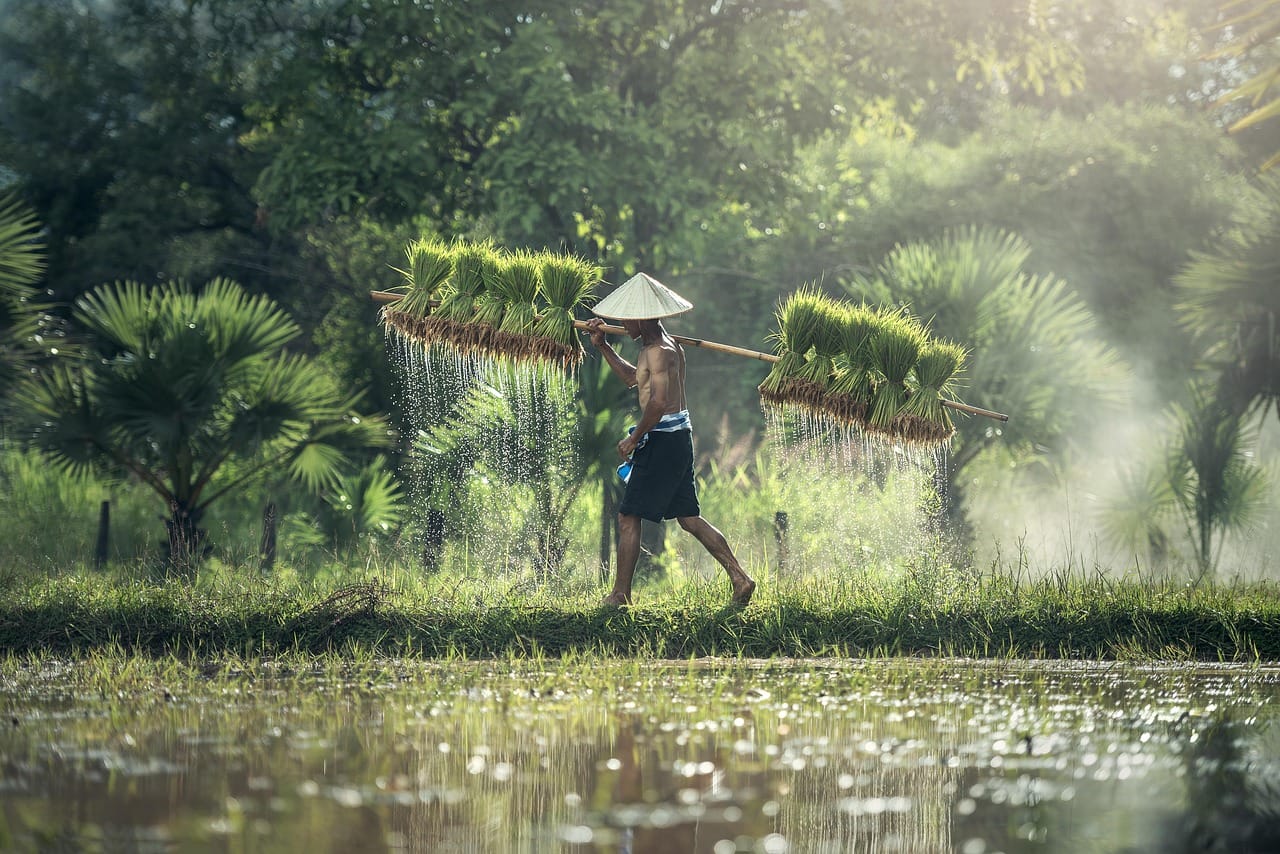
Taue (planting), May–June: traditionally done by hand, wading barefoot through a flooded paddy and setting seedlings in careful rows — many programs still teach the hand-planting method even where the farm normally uses a mechanical planter, specifically because it’s the more memorable, more physical version of the experience.
Inekari (harvest), September–October: cutting mature rice stalks, bundling them, and hanging them to dry on traditional wooden racks (hazakake) in areas that still use the older drying method rather than a mechanical dryer — physically tiring in a different way than planting, and usually the more photogenic of the two seasons thanks to the golden fields.
How Foreign Travelers Join
Nouhaku (農泊, farm-stay lodging) programs across the country package a night or two of accommodation at a working farm together with participation in whatever seasonal task is underway, and a rising share of hosts — particularly ones already used to receiving foreign guests — now offer English-language basics or simple enough instructions that a language barrier isn’t a real obstacle. Some programs are run as a straightforward paid farm-stay with the labor included as the main activity; others are structured closer to the WWOOF work-exchange model, trading the labor directly for meals and a room.
Why This Appeals More Than It Might Sound Like It Would
Travelers who do this consistently describe the same thing: it’s the fastest route into an actual Japanese household’s daily rhythm that exists, well beyond what any guided tour or homestay dinner offers, because everyone present has real, shared work to do together rather than a host performing hospitality for a guest. The evening meal after a full day of planting or harvesting, eaten with the farming family, is frequently cited as the best part of the whole experience — not the fieldwork itself.
What to Expect Physically
Both taue and inekari are genuinely tiring — bent-over, repetitive work in the sun for several hours — and appropriate clothing matters: old clothes that can get muddy or grass-stained, sun protection, and, for planting specifically, a willingness to be barefoot in paddy mud for an extended stretch.
🏨 Planning where to stay?
Every area guide on this site pairs with honest, station-by-station hotel picks. Start here: Hotel Guides by Station →