This article may contain affiliate links. If you book through them, we may earn a small commission at no extra cost to you.
On this page
Introduction: Three Options, One Right Answer (For Most People)
Connectivity in Japan has become significantly simpler for international visitors over the last five years. The combination of eSIM technology, the proliferation of tourist SIM products at airports and convenience stores, and the continued availability of pocket Wi-Fi rental has eliminated the connectivity anxiety that characterized earlier Japan travel planning. In 2026, the question is not whether you can get connected but which of three genuinely good options best suits your specific situation.
Option 1: Tourist SIM Card
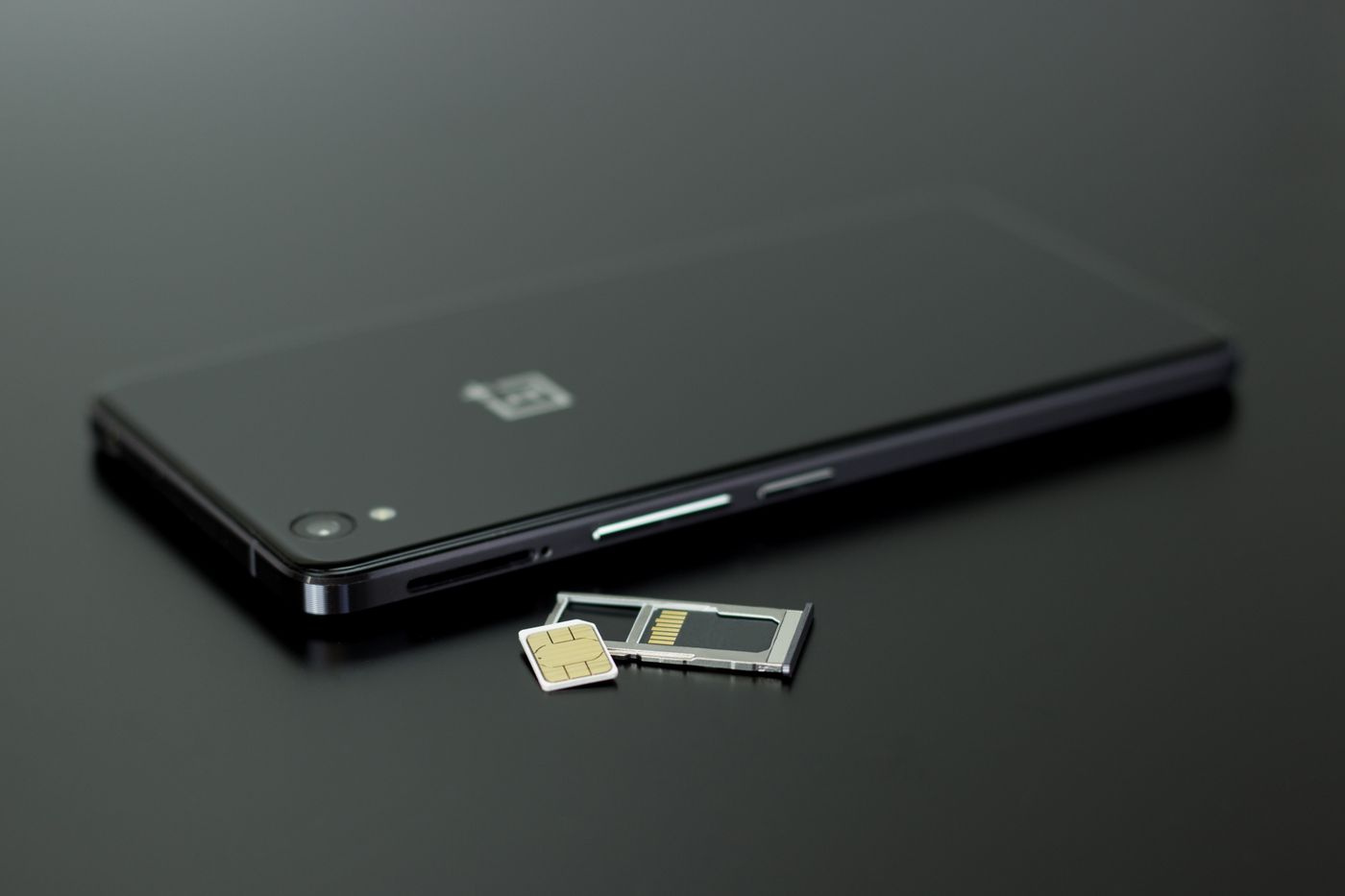
What it is: A physical SIM card providing data (and sometimes calls/SMS) for a fixed period, inserted into your phone in place of your home SIM.
- Requirement: Your phone must be unlocked (not carrier-locked) — check with your home carrier if uncertain.
Recommended products (checked July 2026):
IIJmio Tourist SIM: Widely considered the most reliable tourist SIM in Japan — data speeds on the IIJ network are consistently good, the SIM works from the moment of insertion, and the 15-day/20GB option covers most tourist visits without worry.
Docomo Tourist SIM (via B-Mobile or retailers): Docomo's network provides the best rural coverage in Japan — important for visitors heading to remote areas (mountain hiking, rural onsen towns).
SoftBank's Visitor SIM: Available at airport machines immediately on arrival, convenient for those who forgot to arrange connectivity in advance.
Where to buy:
- Narita/Haneda/Kansai Airport counters: Multiple retailers operating in arrival halls; slightly higher prices than advance purchase
- Amazon Japan: Order in advance for airport pickup (note: only works if you have a Japan delivery address or pickup point)
7-Eleven and Bic Camera / Yodobashi Camera also stock tourist SIMs throughout Japan.
Option 2: Pocket Wi-Fi
What it is: A dedicated mobile router device providing Wi-Fi to connected devices — your phone and companions' phones connect via Wi-Fi rather than cellular SIM.
Advantages:
- Connects multiple devices simultaneously (ideal for groups of 2–4)
- Works with any phone regardless of SIM lock status
- Provides connectivity for tablets, laptops, and other Wi-Fi devices
Disadvantages:
- Requires carrying an additional device
- Battery requires daily charging
- Lost or damaged device incurs charges
- Connectivity fails if the device is left at the hotel or runs out of charge
Recommended providers: NINJA WiFi, Global WiFi, SakuraMobile WiFi — all available for advance reservation with airport pickup/return.
Price reality: At ¥800 (approx. $5)–¥1,200 (approx. $8)/day, a 2-week pocket Wi-Fi rental costs ¥11,200 (approx. $75)–¥16,800 (approx. $110) — typically more expensive than a tourist SIM for solo travelers, competitive for groups sharing costs.
Option 3: eSIM (Recommended for Most Travelers)
What it is: A digital SIM profile downloaded directly to your phone before or after arrival, eliminating the need for a physical SIM card or rental device.
Requirement: Your phone must support eSIM (iPhone XS and later, most flagship Android phones from 2019 onward — check your specific model).
Advantages:
- No physical card required — activate remotely before arrival
- Keep your home SIM active simultaneously (for calls/SMS to home)
- No airport counter wait
- Often the most affordable option
Recommended eSIM providers:
Airalo Japan: The largest eSIM marketplace — Japan data plans from $10–$25 for 7–30 days, reliable activation, app-based management.
- IIJmio eSIM: The same reliable IIJ network as the physical SIM, in eSIM format.
- Ubigi/Truphone: International eSIM providers with Japan packages.
The purchase process: Download the provider's app or visit their website → purchase a Japan data plan → receive a QR code → scan QR code in phone's eSIM settings → activate on arrival (or pre-arrival in some cases).
The Verdict
For most solo or couple international travelers with unlocked or eSIM-capable smartphones: eSIM is the optimal choice — lowest friction, often lowest cost, no physical logistics. For groups of three or more sharing connectivity costs, pocket Wi-Fi remains competitive. For travelers with older locked phones, a tourist SIM at the airport is the reliable fallback.
🏨 Planning where to stay?
Every area guide on this site pairs with honest, station-by-station hotel picks. Start here: Hotel Guides by Station →