This article may contain affiliate links. If you book through them, we may earn a small commission at no extra cost to you.
On this page
Introduction: The Mountain Temple That Stopped Japan's Greatest Poet
In 1689, the haiku poet Matsuo Bashō climbed a mountain in Yamagata Prefecture and wrote one of the most celebrated haiku in Japanese literature:
- 閑さや岩にしみ入る蝉の声 (Shizukasa ya / iwa ni shimiiru / semi no koe) "Such stillness — / the cries of the cicadas / sink into the rocks"
The mountain was Yamadera (山寺) — literally "mountain temple" — the colloquial name for Risshaku-ji (立石寺), a Tendai Buddhist temple complex established in 860 CE on a mountain of extraordinary vertical drama: sheer cliffs of volcanic tuff, cedar trees growing from horizontal cracks in the rock face, and a series of temple buildings ascending from the base to the summit ridge 300 meters above.
Bashō's poem is about silence — the paradox of cicada cries making the surrounding stillness more profound rather than less. Standing at the summit of Yamadera, understanding this paradox requires only presence: the insects' sound, the wind in the cedars, the city of Yamagata (山形市) visible below in the valley, and the sense of having climbed outside ordinary time.
The Mountain: Understanding What You're Climbing
Yamadera sits on a mountain of massive, eroded volcanic tuff — the same pale, easily carved rock that creates the characteristic cliff formations visible throughout Yamagata Prefecture. The mountain's face has been shaped by erosion into vertical cliffs, horizontal ledges where trees have taken root, and the specific cave systems and overhanging rock formations that Buddhist monks found appropriate for temples in the tradition of shugen (修験) — mountain ascetic practice.
The 1,015 stone steps are not uniform — they range from wide, comfortable steps near the base to narrow, steep sections carved directly into the cliff face near the summit. The stone is ancient and worn smooth in places; appropriate footwear (closed-toe, non-slip) is important.
The cedar trees: The cedars growing along the climb — some hundreds of years old, their roots gripping the cliff rock — are as important to the experience as the temple buildings. The sound of the wind through these trees, combined with the enclosure of the narrow path between rock face and cedar trunks, creates the specific sensory environment that produced Bashō's poem.
The Climb: Stage by Stage
Stage 1: The Base (Konponjudo / 根本中堂)
The base area contains the Konponjudo (根本中堂) — the main hall of the complex, a single-story structure whose dark interior houses the principal object of worship. The hall is significant as one of the oldest surviving wooden structures in Yamagata Prefecture.
The eternal flame: Within the Konponjudo, a flame brought from the central Buddhist site at Enryaku-ji (延暦寺) on Mount Hiei (Kyoto) has been burning continuously for over 1,000 years — one of Japan's sacred "eternal fires," in the same category as those at Kōya-san and Noboribetsu.
Stage 2: The Ascending Path (Senmaidon / 千枚堂 Area)
After purchasing the entry ticket (¥300) at the gate above the base area, the proper climb begins. The path ascends through the cedar forest, passing stone memorial tablets, small subsidiary shrines, and the occasional monk's cave hermitage carved into the cliff face.
The quality of the light changes as you ascend — the dense cedar canopy reduces direct sunlight to dappled patterns on the stone path, creating the deep shade that makes the climb comfortable even in summer and the specific quality of forest stillness that Bashō was describing.
Stage 3: The Summit Area (Okunoin / 奥の院)
The summit area contains the Okunoin (奥の院) — the innermost sanctuary — and several smaller halls perched on the cliff edge with views down the valley. The most famous view is from the Godaido (五大堂) — a small red pavilion at the cliff's edge, visible in most photographs of Yamadera, from which the full panorama of the Yamagata basin and the surrounding mountains is visible.
This is where Bashō's poem was composed — and standing in approximately the same position, looking at approximately the same view, the poem's subject becomes experientially available rather than merely textually understood.
The Seasonal Character of Yamadera
Summer: The cicadas (Bashō's subject) fill the mountain with continuous sound from July through September, and the cedar shade provides relief from the valley heat. The green of the vegetation is at its most vivid.
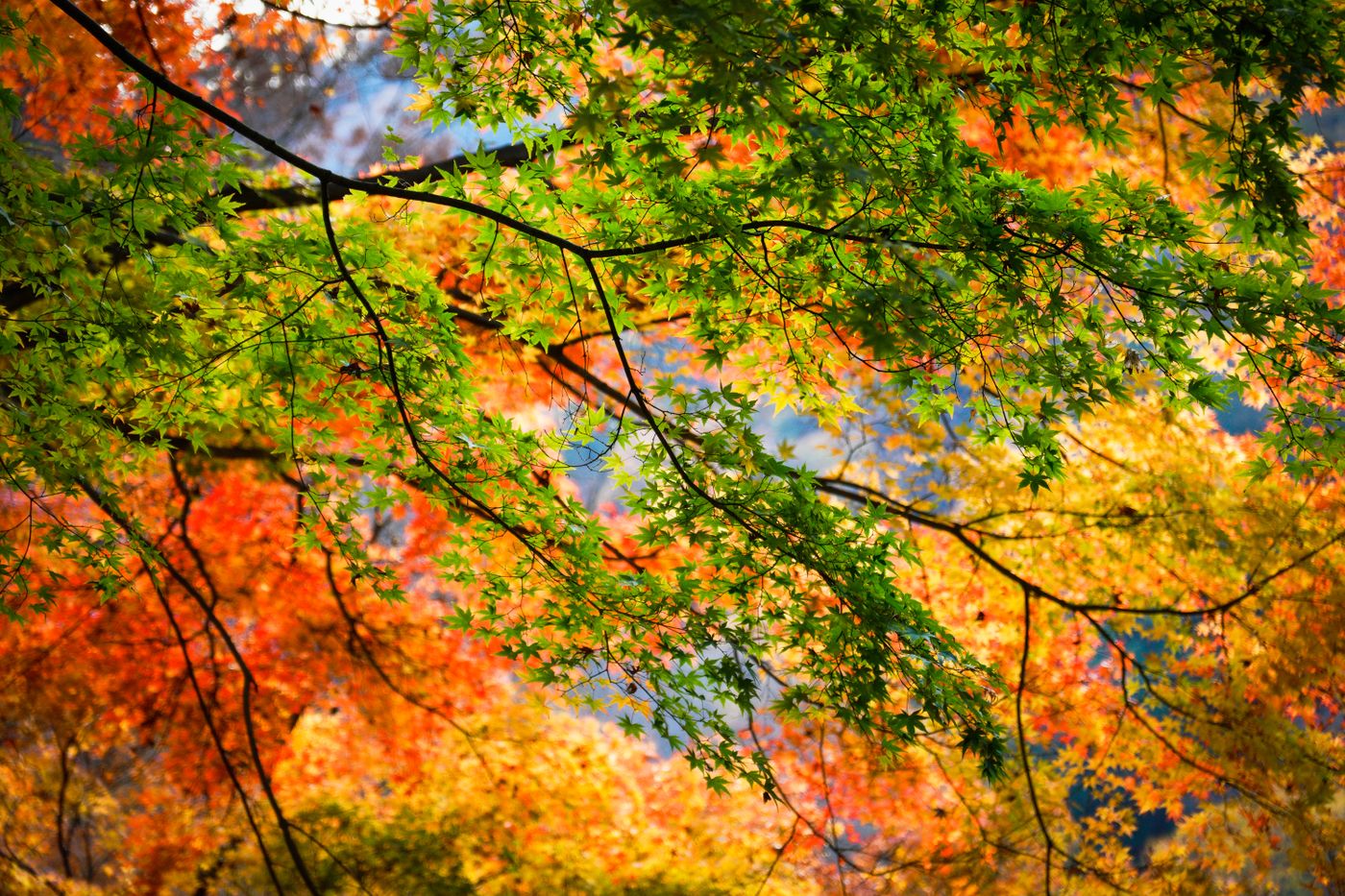
Autumn: The foliage of the deciduous trees among the cedars — maple and oak — creates patches of brilliant color against the rock face. October is the peak, and the visual combination of red leaves, pale rock, and the valley below is exceptional.
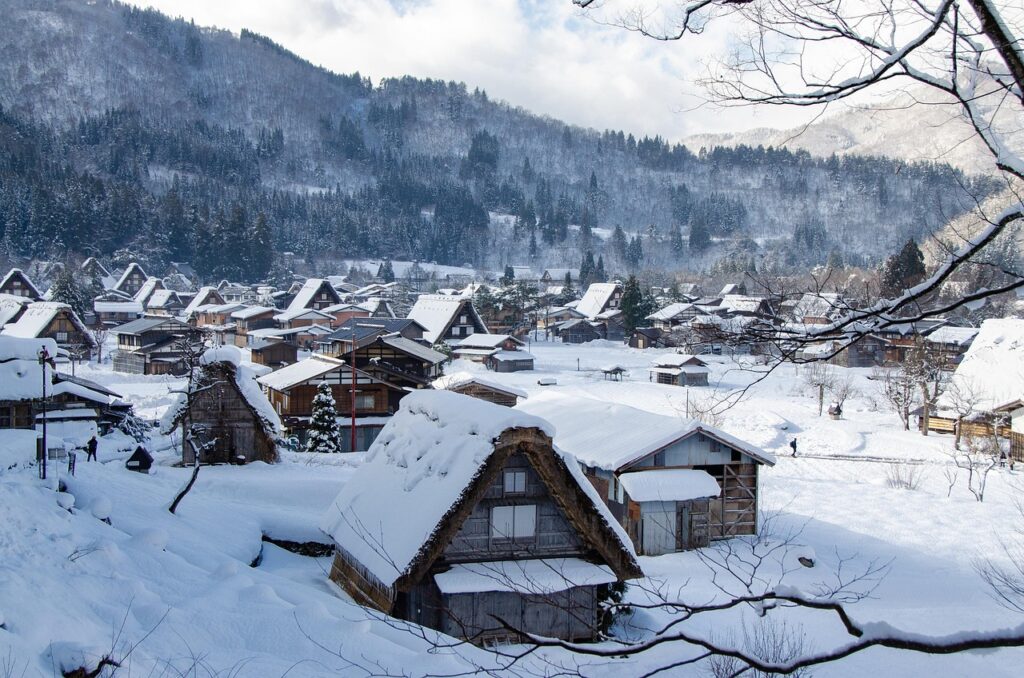
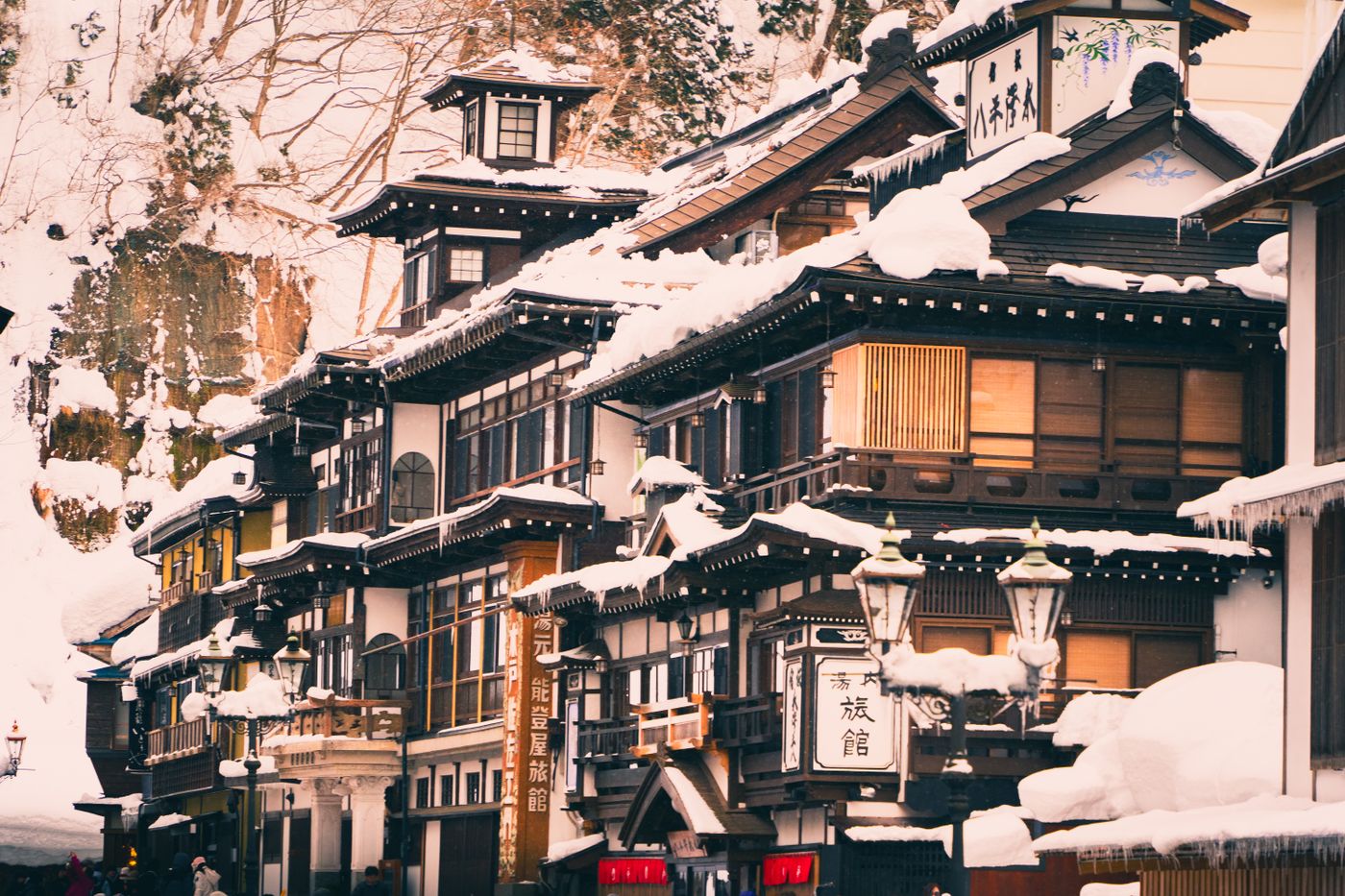
Winter: Snow transforms Yamadera's already dramatic landscape into something otherworldly. The rock formations acquire snow accumulations that emphasize their shapes; the path becomes slippery but navigable with care; the cedar branches hold snow in masses; and the entire mountain has a quality of silence that winter amplifies.
Spring: Cherry blossoms in the valley below Yamadera — particularly around the base area — bloom in April, adding a seasonal spectacle to the mountain's existing attractions.
Recommended Base Hotels
Family-run inns at the mountain base (Budget / from ¥8,000 per person): a small handful of simple lodgings sit near Yamadera Station — ideal for early morning or evening visits.
- Yamagata City hotels: Yamagata City (20 minutes by train) has full hotel options across all price ranges.
- Richmond Hotel Yamagata (Mid-range / from ¥10,000): Yamagata Station area, convenient for Yamadera day trips.
Planning where to stay in Tohoku? Browse our honest hotel picks and area guides.
🏨 Planning where to stay?
Every area guide on this site pairs with honest, station-by-station hotel picks. Start here: Hotel Guides by Station →