This article may contain affiliate links. If you book through them, we may earn a small commission at no extra cost to you.
On this page
Introduction: Two Philosophies of Fandom Commerce
Nakano Broadway and Akihabara are Tokyo's two most significant otaku commercial destinations, but they represent fundamentally different approaches to the commerce of Japanese popular culture — different customer profiles, different price points, different aesthetic philosophies, and different experiences of what it means to be a fan of anime, manga, games, and their associated material cultures.
Understanding the distinction helps visitors choose the right destination for their specific interests — or make the case for visiting both.
The Core Distinction
Akihabara is primarily a market for new official goods — the licensed merchandise of currently popular franchises, newly released figures, current-season anime merchandise, new electronics, and the immediate commercial infrastructure of active fandom. The atmosphere is contemporary, commercial, and oriented toward current popular culture rather than its history.
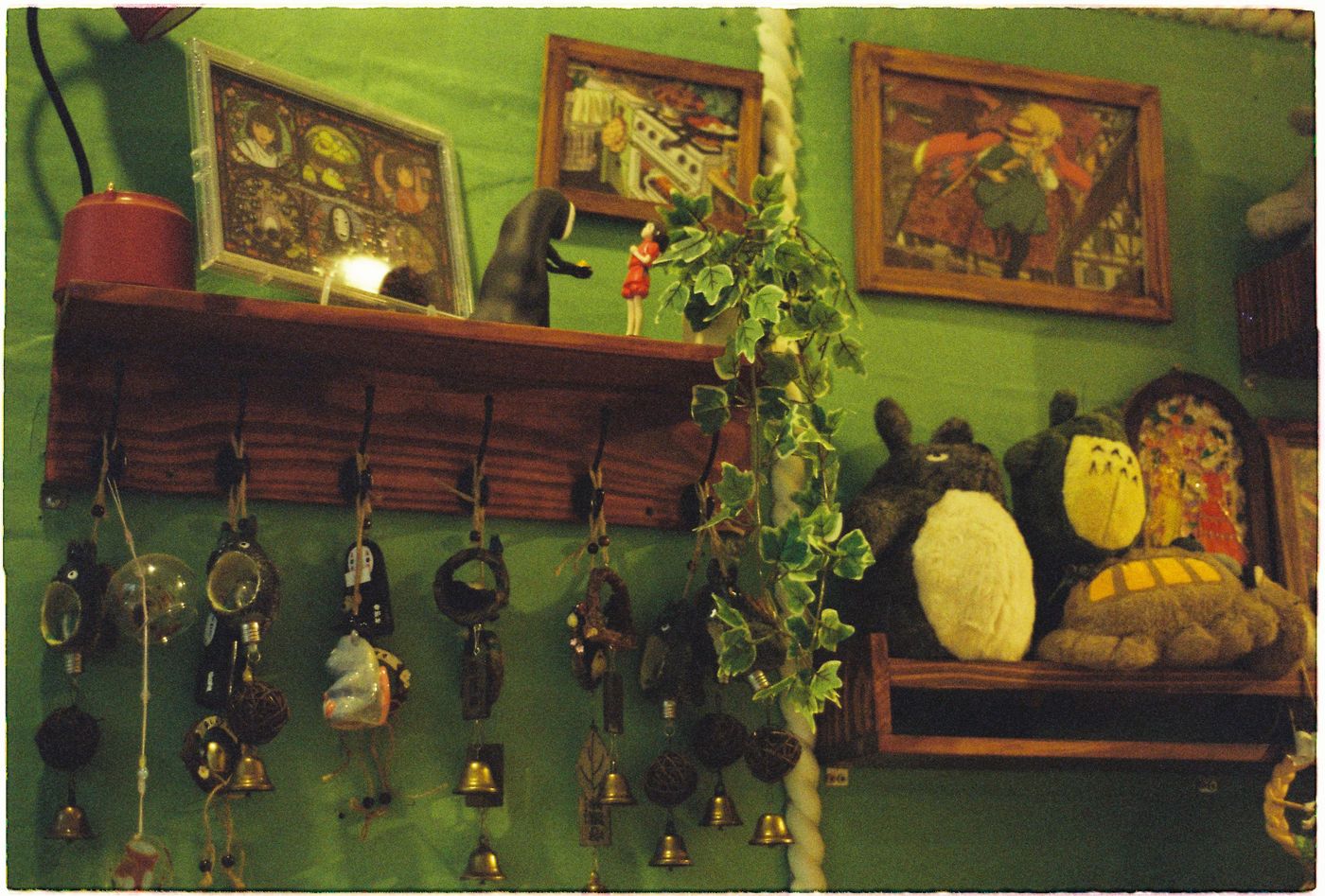
Nakano Broadway is primarily a market for secondhand, vintage, and specialist goods — older manga in complete runs, vintage figures from discontinued lines, Famicom cartridges from the 1980s, rare trading cards from 20 years ago, out-of-print doujinshi (self-published fan works), and the accumulated material culture of Japanese fandom across decades. The atmosphere is historical, specialist, and oriented toward depth rather than currency.
Nakano Broadway in Detail
Covered in the dedicated article — the building's specific character, the Mandarake dominance, and the used record culture alongside the otaku retail.
The price advantage: One of Nakano Broadway's most significant attractions for knowledgeable buyers is the price differential from Akihabara for equivalent secondhand goods. The lower foot traffic and the different customer profile mean that Nakano Broadway dealers sometimes price their secondhand inventory at levels that Akihabara would not.
The depth advantage: For specific older series — manga published in the 1980s and 1990s, figures from long-discontinued lines, games from the 16-bit era — Nakano Broadway's Mandarake floors provide inventory that Akihabara's predominantly new-goods retail cannot match.
Akihabara in Detail
Covered in the dedicated article — the main street structure, the commercial categories, the maid café culture, and the Sunday street closure.
The Decision Matrix
Visit Akihabara If:
You want new, officially licensed merchandise from current anime
You want electronics (cameras, audio equipment, consumer electronics)
You want a maid café experience
You want gachapon machines in maximum concentration
You want to browse and discover in a high-energy commercial environment
You are unfamiliar with specific series and want to browse broadly
Visit Nakano Broadway If:
You are looking for specific older manga volumes to complete a collection
You want vintage or discontinued figures
You are interested in retro gaming (Famicom, Super Famicom, early PlayStation era)
You want rare or out-of-print doujinshi
You prefer a quieter, more residential environment
You have specific knowledge of what you're looking for
Visit Both If:
You have a full day and want the most comprehensive Tokyo otaku experience
You want to compare the atmosphere and price levels
You are both current fandom-oriented and historically interested
Transit Between the Two
Nakano to Akihabara: JR Chūō/Sōbu Line from Nakano Station to Akihabara Station — approximately 20 minutes. The two can be combined in a single day with comfortable timing.
The Neighbourhood Contrast
Akihabara's broader neighbourhood is commercial and transit-oriented — Kanda is adjacent to the north, Ueno to the northeast, both primarily business and transit environments.
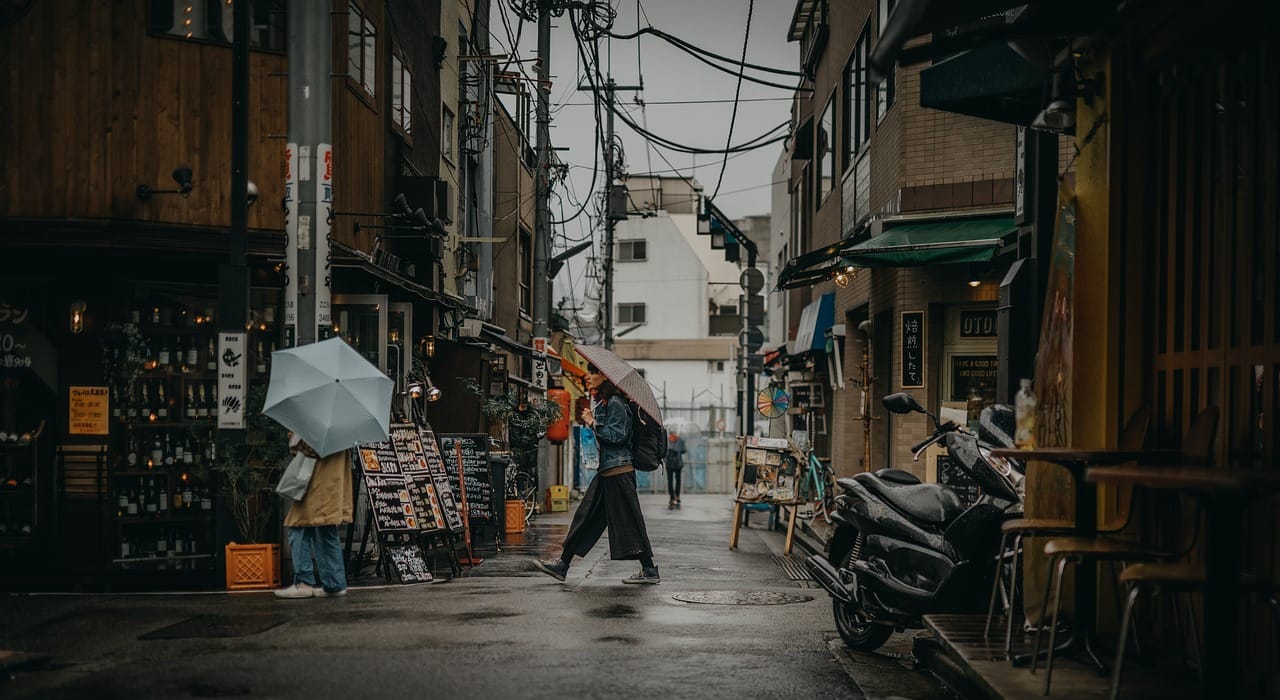
Nakano's broader neighbourhood is residential — the Sun Mall arcade leading to Broadway from the station passes through the ordinary commercial life of a working residential ward, and the streets surrounding the Broadway building are the quotidian infrastructure of a neighbourhood that is primarily not a tourism destination.
Planning where to stay in Tokyo? Browse our honest hotel picks and area guides.
🏨 Planning where to stay?
Every area guide on this site pairs with honest, station-by-station hotel picks. Start here: Tokyo Hotel Guides →