This article may contain affiliate links. If you book through them, we may earn a small commission at no extra cost to you.
Japan Travel Guide · First-Timer Tips
Japan Travel Tips: 15 Things to Know Before Your First Trip
Everything you need to know before your first trip to Japan.
Japan is one of the most rewarding countries to visit — but it operates by its own rules. These 15 tips will help you navigate Japan more smoothly, save money, and avoid the most common mistakes first-time visitors make.
Before You Go
1. Get a Suica card, not a JR Pass
Unless you’re doing extensive bullet train travel between multiple cities, a Suica IC card is cheaper and more flexible than a JR Pass. Load it up at any station and use it on trains, subways, buses, and even at convenience stores.
2. Book hotels 2–3 months in advance for peak seasons
Cherry blossom season (late March–early April) and autumn foliage season (mid-November) are extremely popular. Hotels near major attractions sell out months ahead. Book early or pay a premium.
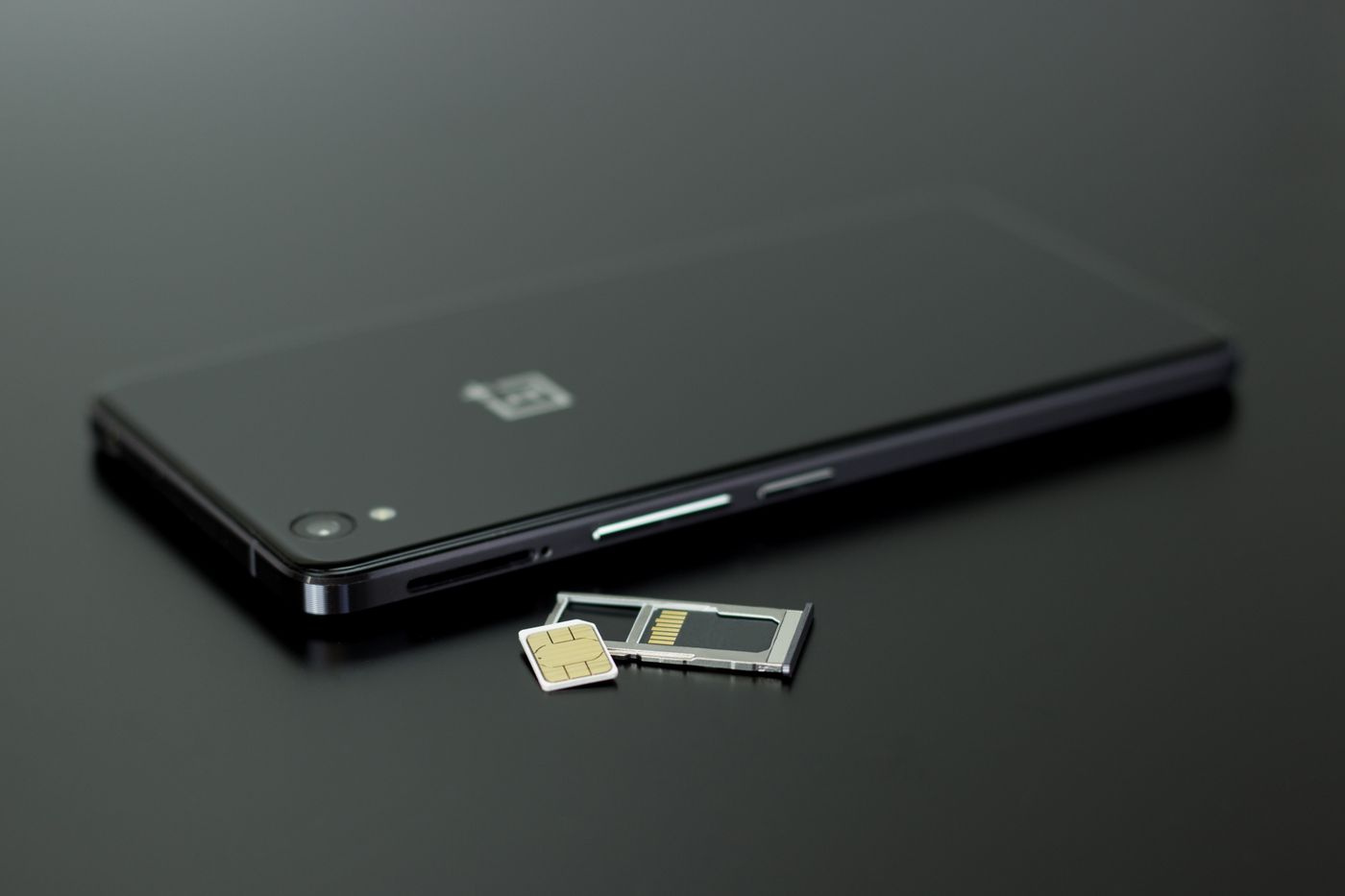
3. Get connected: eSIM first, pocket WiFi for groups
If your phone supports eSIM (most recent models do), install a Japan data plan before you fly — it’s now the cheapest, easiest option. Pocket WiFi rental still makes sense for groups sharing one connection. Japan’s free public WiFi remains patchy, so don’t rely on it.
4. Always carry cash
Japan is still largely cash-based. Many restaurants, shrines, temples and small shops don’t accept cards. Always carry at least ¥10,000 (approx. $67) in cash. 7-Eleven ATMs reliably accept foreign cards.
5. Download Google Translate with Japanese offline
Google Translate’s camera feature can read Japanese menus, signs and instructions in real time. Download the Japanese language pack before you arrive so it works without internet.
Getting Around
6. Use Google Maps for train navigation
Google Maps in Japan is excellent. It shows exact train times, platform numbers, transfer instructions and fares. Use it for every journey — even experienced Japan travelers rely on it.
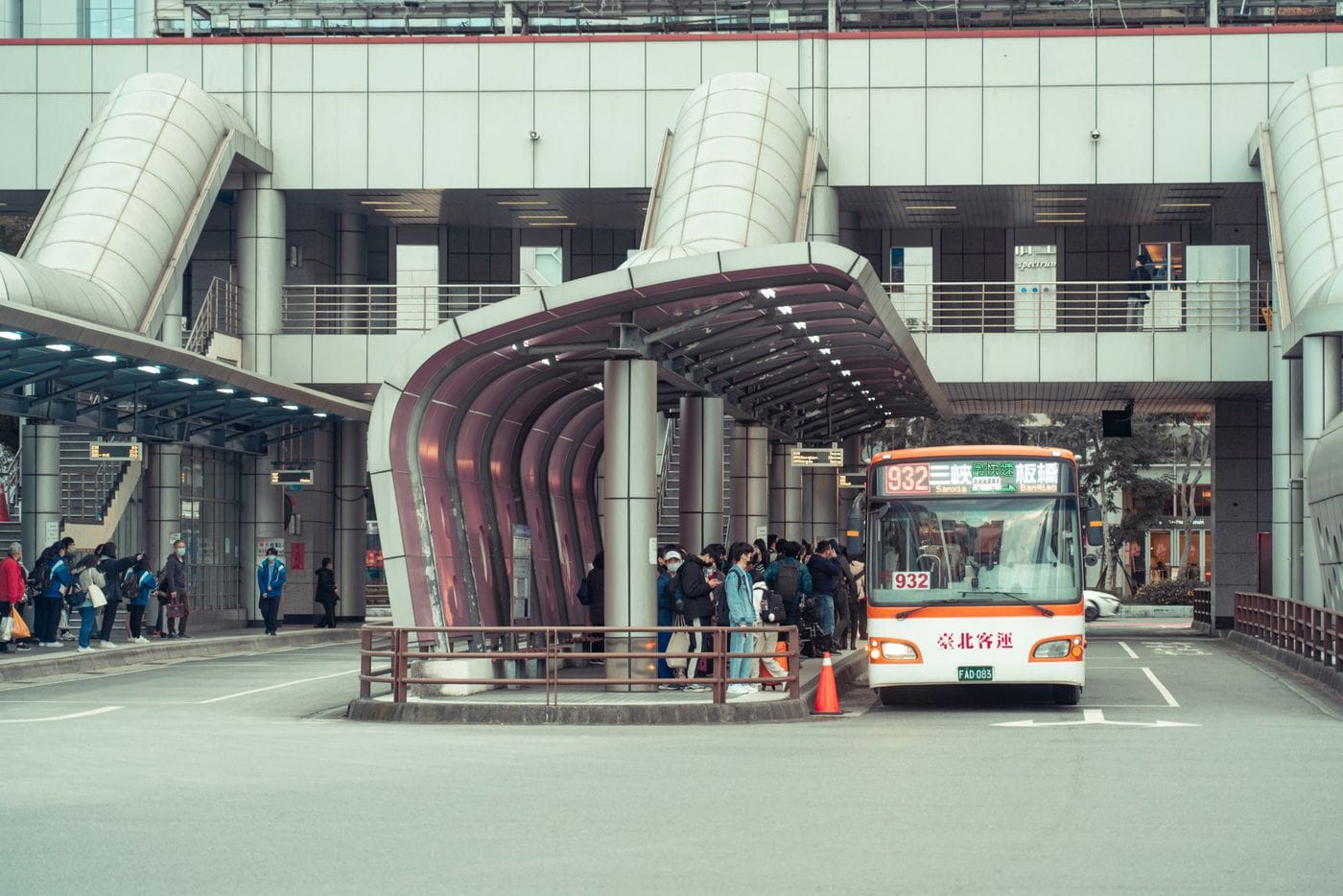
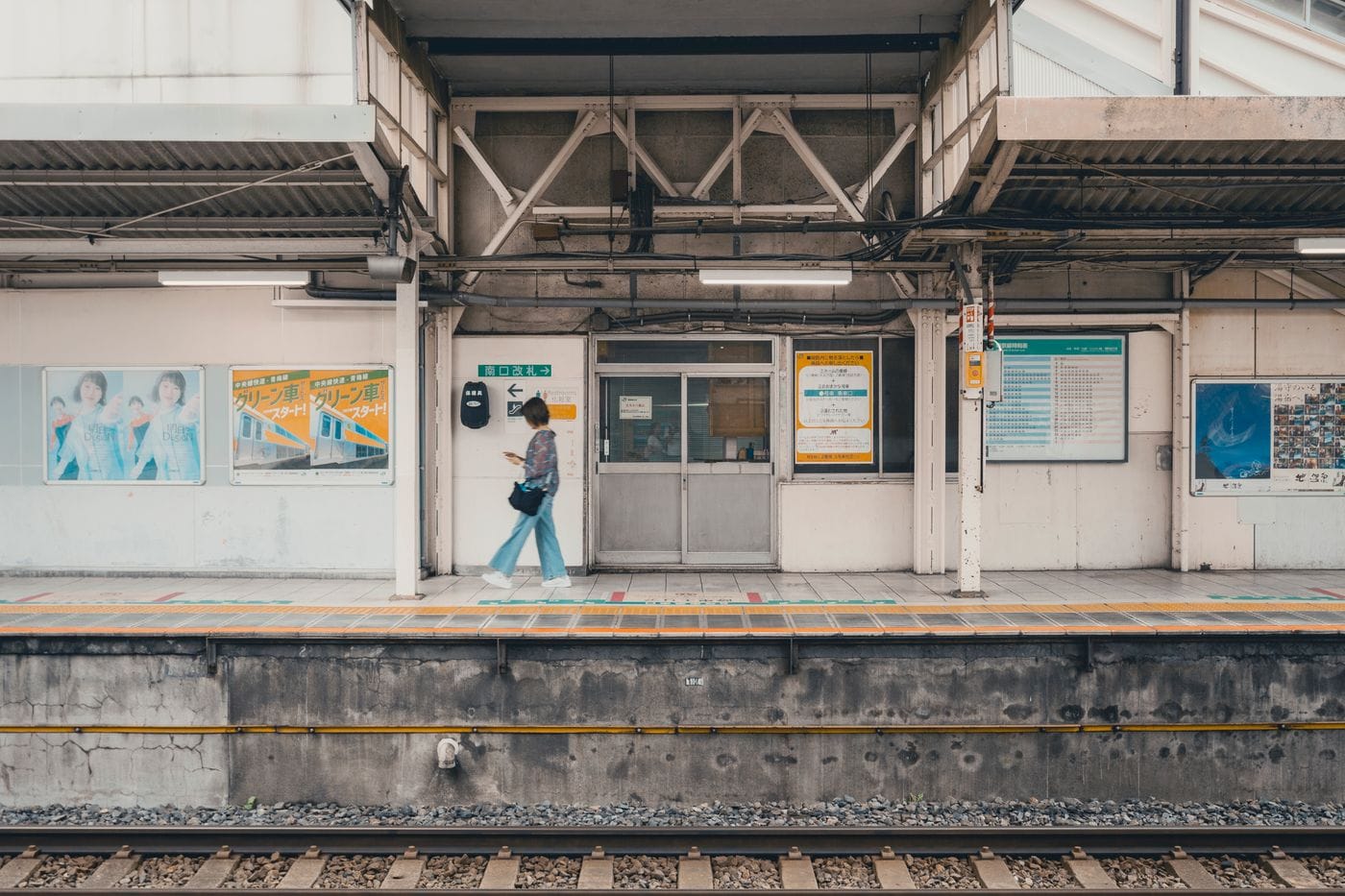
7. Stay near a train station
In Japan, your hotel’s proximity to a train station matters more than the neighbourhood. A hotel 10 minutes walk from the station will make your daily commuting significantly more tiring than one 2 minutes away.
8. Taxis are expensive — use trains
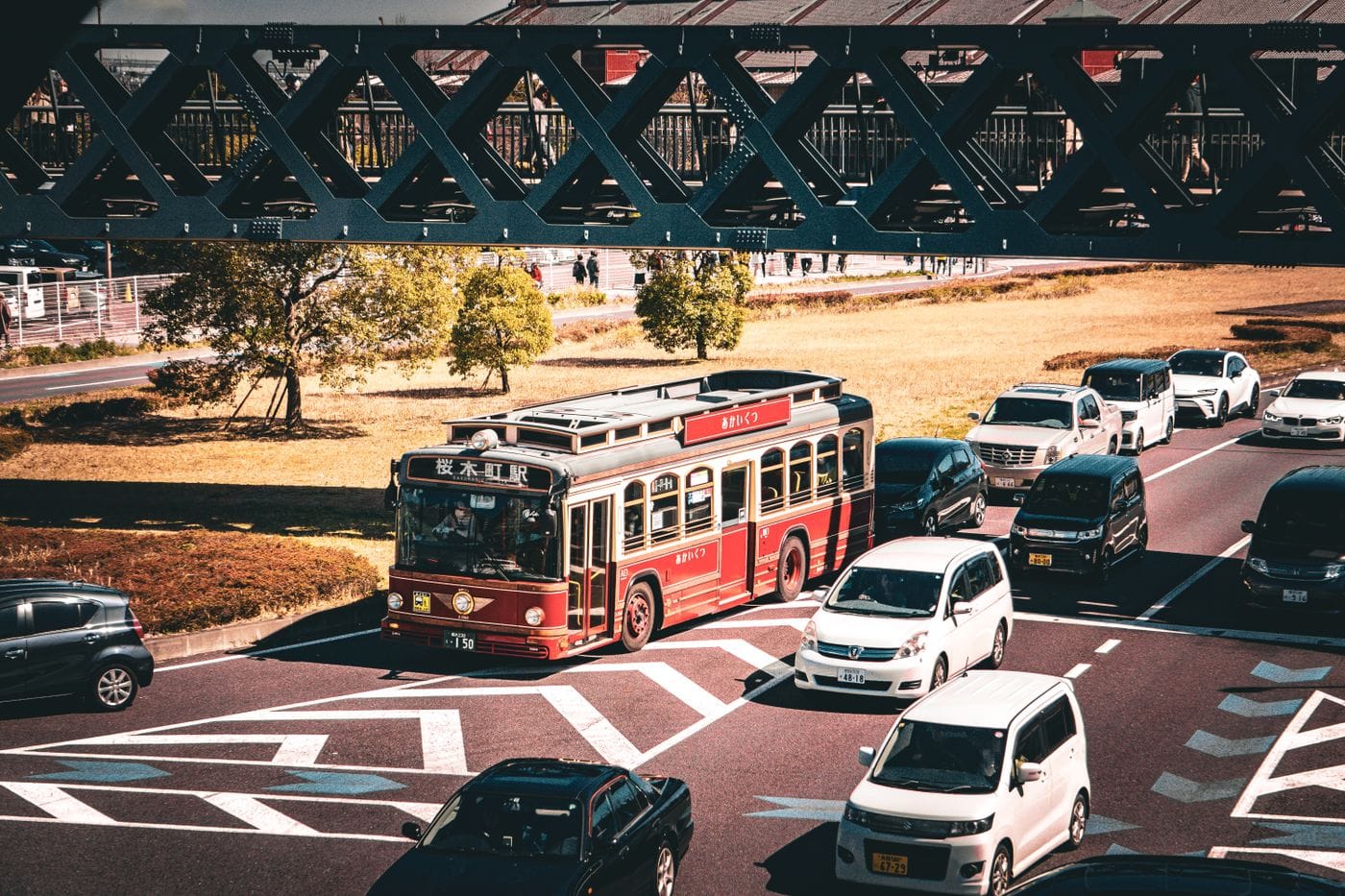
Japanese taxis are metered and expensive by international standards. Trains are almost always faster and dramatically cheaper. Only use taxis late at night when trains have stopped running.
Culture and Etiquette
9. Don’t eat or drink while walking
Eating while walking is considered rude in Japan. If you buy street food or a drink, stand near the stall to eat it or find a bench. The exception is ice cream — that seems to be universally accepted.
10. Be quiet on trains
Japanese trains are remarkably quiet. Talking loudly, playing music without headphones, or taking phone calls is considered very rude. Keep voices low and phones on silent.
11. Carry a small bag for rubbish
Public bins are extremely rare in Japan. Carry a small plastic bag in your pocket for any rubbish — convenience store bags work perfectly. Don’t leave litter on the street or in parks.
Food and Shopping
12. Convenience stores are your best friend
7-Eleven, Lawson and FamilyMart in Japan are genuinely excellent. Fresh onigiri, hot food, good coffee, ATMs that accept foreign cards, and they’re open 24 hours. Don’t be a snob about konbini food — it’s genuinely delicious.
13. Look for lunch sets (teishoku)
Many Japanese restaurants offer dramatically discounted lunch sets (teishoku) between 11am and 2pm. A meal that costs ¥2,000 (approx. $13) at dinner might be ¥900 (approx. $6) at lunch. Always check for lunch menus.
14. Tax-free shopping is available
As a tourist, you can shop tax-free (saving the 10% consumption tax) at most major department stores and electronics retailers. Bring your passport — you’ll need it to claim the exemption.
15. Book popular restaurants in advance
Tokyo and Osaka have some of the world’s best restaurants, many of which are booked weeks or months in advance. Use Tableall, Omakase or the restaurant’s own website to reserve ahead. Walk-ins are often impossible at popular spots.
Keep exploring
- JR Pass vs Suica Card: Which Should You Get for Japan?
- Packing for Japan: What to Bring, What to Buy There & What to Leave Behind
- Getting a SIM Card in Japan: Tourist SIM vs Pocket Wi-Fi vs eSIM
🏨 Planning where to stay?
Every area guide on this site pairs with honest, station-by-station hotel picks. Start here: Hotel Guides by Station →