This article may contain affiliate links. If you book through them, we may earn a small commission at no extra cost to you.
On this page
Introduction: The Islands Where Cats Outnumber People
Japan has developed, somewhat accidentally, one of the world's most specific wildlife tourism niches: islands where domestic cat populations, having grown unchecked for decades as the human population declined, now significantly outnumber human residents and have become the primary attraction for visitors who make deliberate ferry journeys to small, otherwise unremarkable islands to spend time in the company of large numbers of friendly, well-fed cats.
The phenomenon is not manufactured for tourism — the cat populations on Japan's "cat islands" developed organically from historical cat introductions (typically as pest control for fishing net warehouses or silk production facilities), the subsequent population decline as young people left for mainland cities, and the specific result of elderly fishing communities whose fondness for the remaining cats produced a population of well-socialized animals comfortable with human contact.
Tashirojima: The Flagship Cat Island
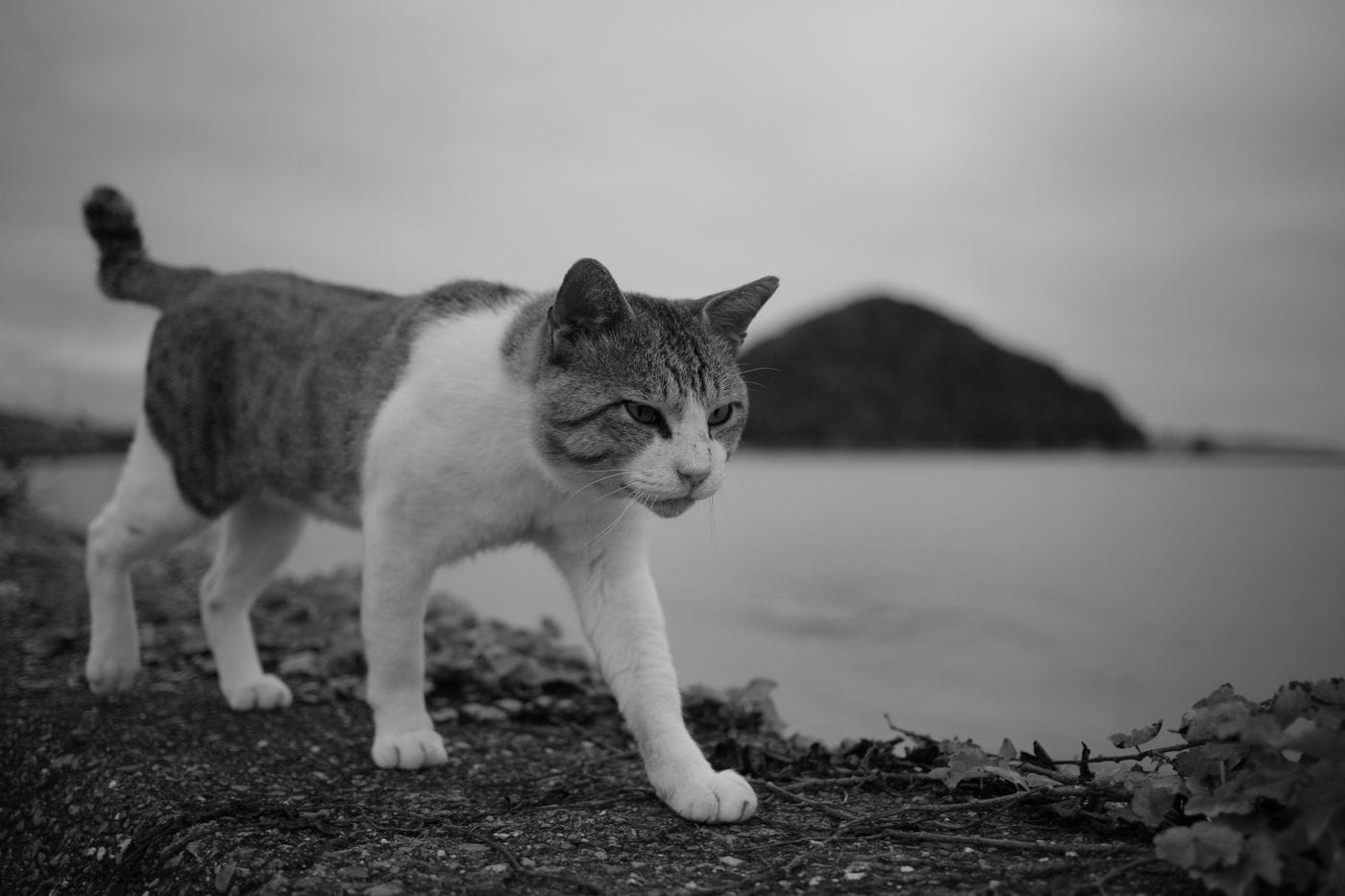
Tashirojima in Miyagi Prefecture — the most internationally famous of Japan's cat islands, approximately 20 km off the Ishinomaki coast — is the reference destination for the category: a small island (roughly 3.1 km² land area) where approximately 200 cats roam freely across fishing docks, paths between houses, and the grounds of the distinctive Cat Shrine (猫神社 / neko jinja).
The Historical Background
Tashirojima's cat population has its origin in the island's historical silk industry — cats were introduced to protect silkworm production from mice, and the fishing community subsequently adopted the tradition of maintaining and feeding cats based on a folk belief that cat behavior predicts weather and fish run patterns. The belief that cats bring good fortune to fishing communities became embedded in island culture, producing the Cat Shrine at the island's center — a small shrine dedicated to a cat that was accidentally killed during the historical silk industry period, now maintained as a cat memorial and luck-conferring spot.
The Visitor Experience
The cat encounter: Tashirojima's cats are thoroughly habituated to human presence but individually variable in their approach to strangers — some are confidently affectionate, approaching visitors immediately; others are reserved, requiring patience; others are actively indifferent. The combination of approximately 200 cats across a small island means that encounters are continuous and varied rather than managed.
Cat feeding: The cats are primarily fed by island residents and by tourists bringing gifts — the island's small remaining population (approximately 50 people, predominantly elderly) actively maintains the cat feeding practice. Visitors may bring appropriate cat food; the island's tourist information provides guidance on appropriate feeding practices.
The day trip structure: Most visitors arrive on the morning ferry, spend 4–5 hours walking the island's path network and encountering cats, eat lunch at one of the island's two small restaurants or at a packed lunch brought from Ishinomaki, and return on the afternoon ferry. Overnight accommodation (basic facilities) is available for visitors who want more extended island time.
The 2011 Earthquake Impact
Tashirojima was significantly affected by the 2011 Tōhoku earthquake and tsunami — the island suffered infrastructure damage and population decline accelerated in the aftermath. The recovery has been supported partly by the attention that cat island tourism generates, with visitors' spending at the small restaurants and accommodation representing meaningful income for the remaining community.
Aoshima: The Extreme Cat-to-Human Ratio
Aoshima in Ehime Prefecture claims the most extreme cat-to-human ratio of any inhabited island in Japan — only a handful of human residents against a cat population that has been declining since a 2018 mass-neutering (roughly 100 in recent counts — check current conditions before planning a special trip), producing an environment where the cats' social organization and territorial behavior are more visible than on larger, more human-populated islands.
Access: The ferry from Nagahama port runs only twice daily — the limited access calibrates visitor numbers in a way that keeps the island's character intact. The 30-minute crossing arrives at a small concrete pier; the island has no shops, no restaurants, and no accommodation — visitors must bring everything they need for the day.
The visual environment: Aoshima's ferry pier is typically the scene of the island's most concentrated cat activity — multiple cats waiting at the pier for the daily food deliveries that arrive with the ferry, their familiarity with the boat's arrival schedule demonstrating the degree to which the cat colony has adapted to the island's human rhythms.
Ainoshima: The Accessible Alternative
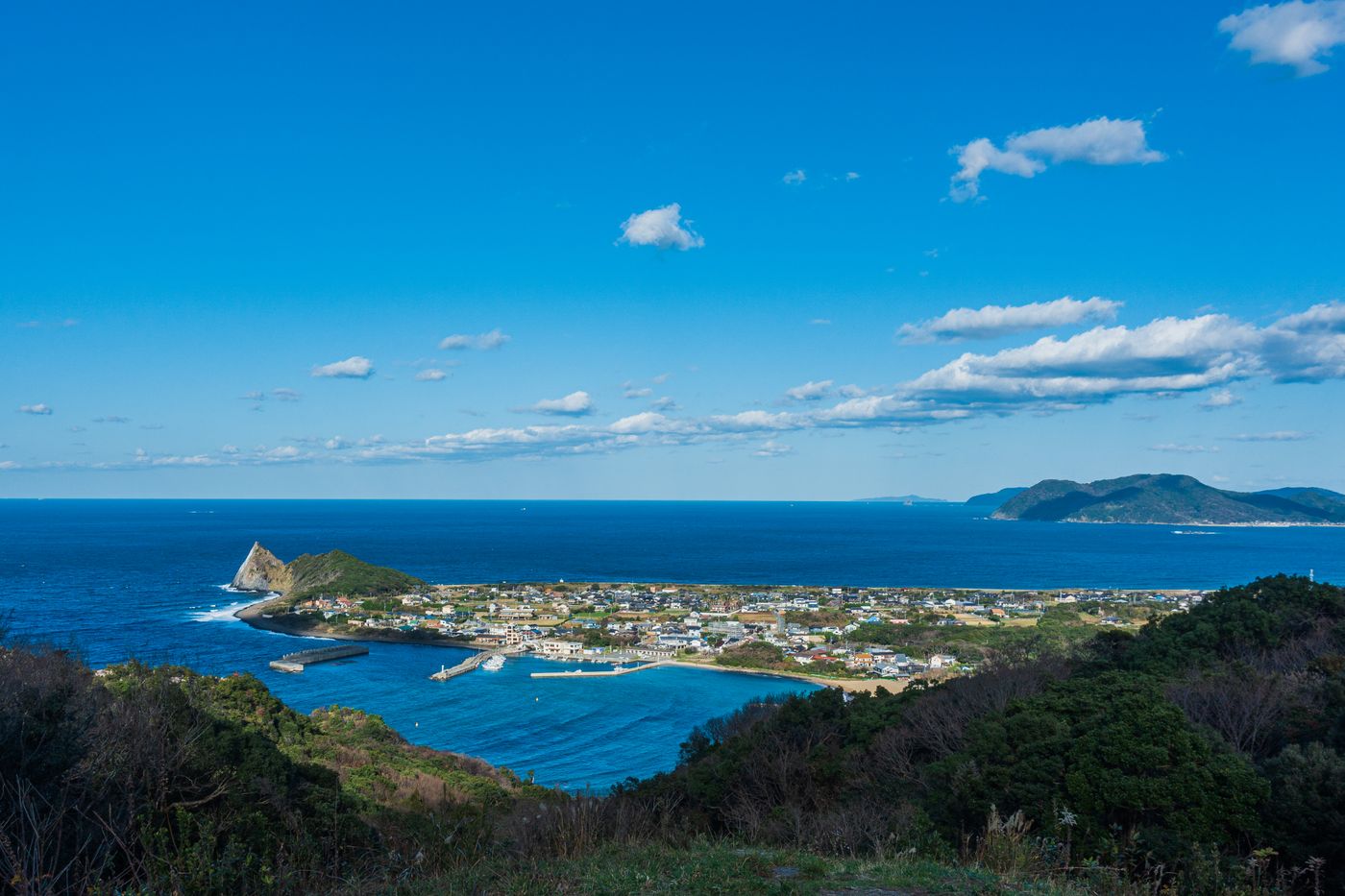
Ainoshima in Fukuoka Prefecture is the most accessible of Japan's significant cat islands — a roughly 20-minute ferry crossing from Shingu port in Fukuoka Prefecture puts it within reasonable day-trip distance from Fukuoka City (approximately 1 hour total from Fukuoka).
The island's larger human population (approximately 450 residents) means the cat-to-human ratio is less extreme than Tashirojima or Aoshima, but the approximately 200 cats are similarly well-socialized and the island's fishing community character is more actively present.
Practical Guidance for All Cat Island Visits
Ferry schedules: All cat islands are served by infrequent ferry services — missing the last ferry means an unplanned overnight, and the accommodation infrastructure to absorb unexpected overnighters is minimal. Confirming the day's last return ferry departure time before landing is essential.
Seasonal adjustment: Summer is the most popular visiting season — pleasant weather, full ferry service. Some islands operate reduced ferry schedules in winter.
What to bring: The islands typically have minimal or no shopping facilities — water, lunch, appropriate outdoor clothing for weather variation, and optionally cat treats (check island-specific guidance on appropriate food).
Photography: The cats' photogenic combination of authenticity and comfort with cameras has made cat island photography a specific genre — the low pier light of early or late ferries, the cats in fishing boat contexts, the interactions between cats and elderly residents are the most celebrated compositions.
Planning where to stay in Tohoku? Browse our honest hotel picks and area guides.
🏨 Planning where to stay?
Every area guide on this site pairs with honest, station-by-station hotel picks. Start here: Hotel Guides by Station →