This article may contain affiliate links. If you book through them, we may earn a small commission at no extra cost to you.
On this page
Introduction: Three Distinct Coffee Cultures in One City
Tokyo has three simultaneously active coffee cultures that exist in parallel, largely without interacting, serving different demographics with different values, and producing completely different experiences of the same beverage.
The kissaten (喫茶店) tradition — the old-style coffee houses that have been the backdrop of Tokyo office and intellectual life since the 1950s — serves carefully prepared but traditional filter and siphon coffee in spaces that prioritize atmosphere and extended occupancy over throughput.
The third-wave specialty coffee scene — centered on neighborhoods like Kiyosumi-Shirakawa, Nakameguro, and Shibuya — serves single-origin filter coffee with the same precision and intellectual investment that fine wine culture brings to its product.
The can coffee (缶コーヒー) culture — available from more than 2 million drink vending machines throughout the country — provides the most Japanese coffee experience of the three: convenient, unpretentious, hot or cold, consumed in transit.
The Kissaten (喫茶店): The Original
Kissaten — the Japanese coffee house, distinct from the modern café — developed from the early 20th century and reached its peak culture in the 1960s–1980s. The hallmarks: deep upholstered chairs, heavy ashtrays (many remain smoking-permitted), a menu with only coffee and limited light food, a proprietor who has been making the same coffee the same way for decades, and an atmosphere that actively encourages extended stays.
The kissaten's primary product is not the coffee itself but time and space — the right to occupy a table for an extended period, undisturbed, with a single cup. The concept of the Tokyo office worker who "rents" a kissaten table for the afternoon with a ¥600 coffee is not a cliché but a genuine social institution.
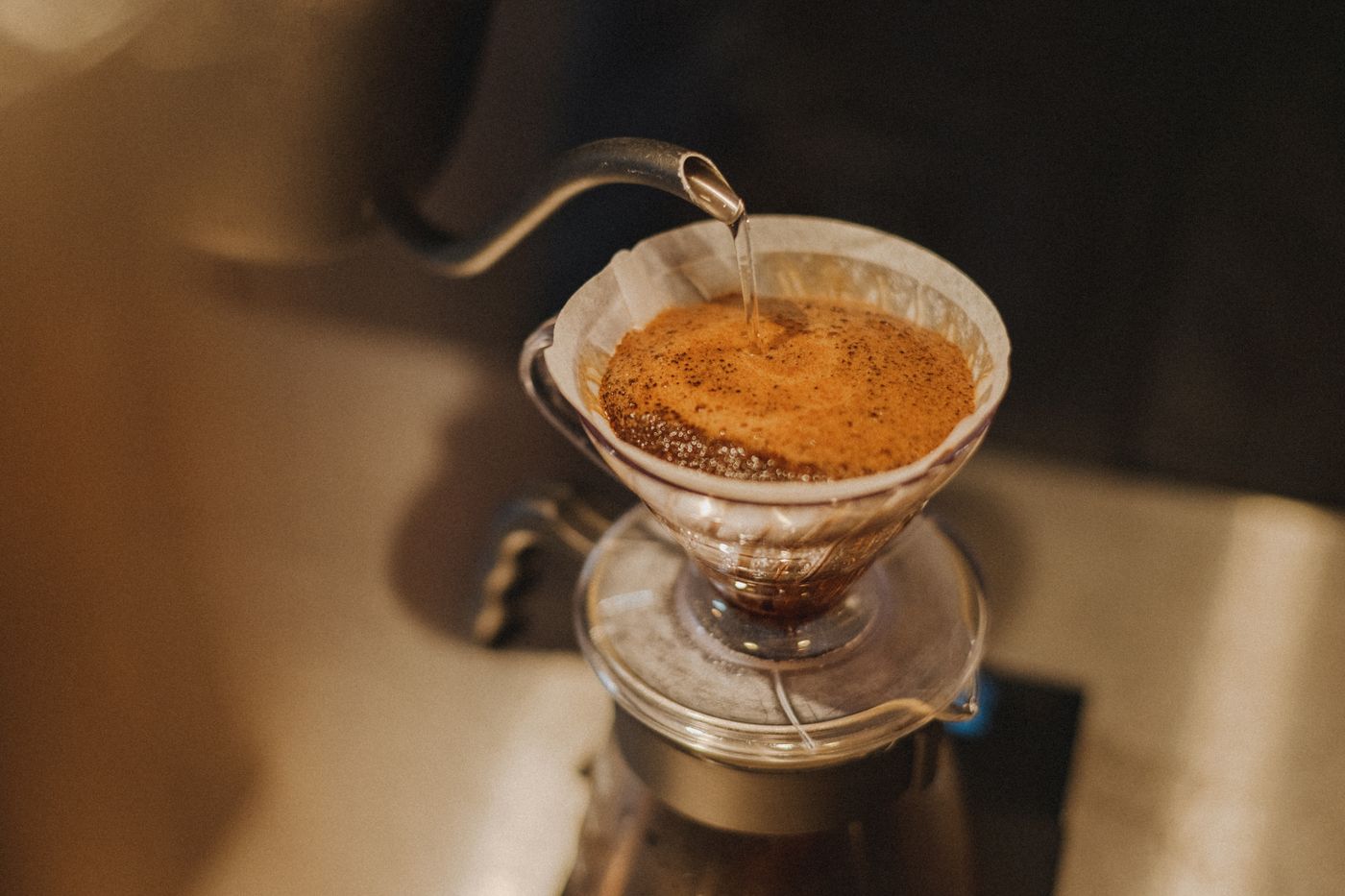
Coffee at kissaten: Most kissaten use siphon brewing (サイフォン / saifon) — a vacuum-sealed brewing method that produces a specific clean, bright, slightly thin cup character — or standard filter (ドリップ / dorip) coffee. The beans are typically darker roasted than third-wave standard — the Japanese kissaten tradition favors a darker, slightly bitter profile that is often called "deep roast" (深煎り / fukairi).
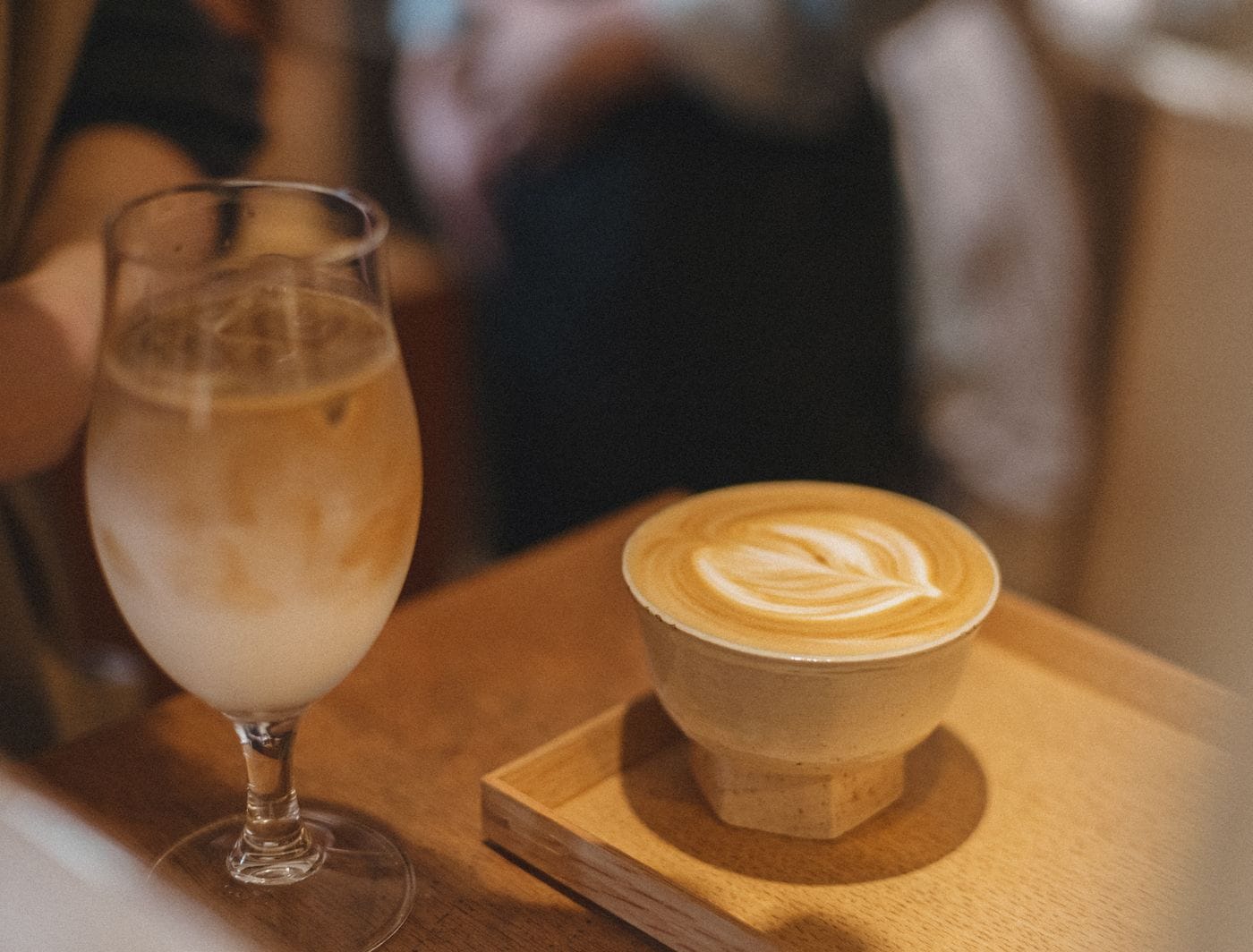
Key kissaten in Tokyo:
Chatei Hatou (茶亭羽當), Shibuya: The kissaten most consistently recommended by specialists — the proprietor's decades of craft are visible in every cup, and the specific amber interior and the quality of the silence make this the reference standard for the format.
Café de l'Ambre (カフェ・ド・ランブル), Ginza: Operating since 1948; serves only coffee (no tea, no food); uses aged beans (some 15–20 years old) in a specific Japanese coffee tradition of extreme aging that is nowhere else available. The proprietor, Sekiguchi Ichiro, made coffee here until his death at 103.
Third-Wave Specialty Coffee: The Contemporary Scene
Tokyo's specialty coffee scene is covered in the dedicated Kiyosumi-Shirakawa article — the neighborhood-level concentration of roasters there is the geographical center. But the movement extends throughout the city:
%Arabica (% アラビカ): The Kyoto-born international brand's Tokyo outposts — white-walled minimalist spaces with precision espresso, as photogenic as coffee shops get.
Sarutahiko Coffee (猿田彦珈琲): The Tokyo-based roaster whose Ebisu flagship established a high standard for Japanese third-wave aesthetics — beautiful space, skilled baristas, single-origin filter options alongside espresso.
Switch Coffee Tokyo: Higashi-Gotanda; the most technically focused of the inner-city Tokyo roasters — known for their light-roast filter coffee and the willingness to adjust brew parameters on request.
Can Coffee (缶コーヒー): The National Beverage
The specifics of can coffee are covered in the vending machine article. In the context of coffee culture, the key point: Georgia (ジョージア) (the Coca-Cola Japan brand) and Boss (ボス) (the Suntory brand) between them produce approximately 60% of all canned coffee consumed in Japan. The segment generated approximately ¥400 billion in annual revenue in recent years.
The Georgia "Emerald Mountain Blend (エメラルドマウンテンブレンド)" — sold since 1994 — has long been Japan's best-selling canned coffee.
Planning where to stay in Tokyo? Browse our honest hotel picks and area guides.
🏨 Planning where to stay?
Every area guide on this site pairs with honest, station-by-station hotel picks. Start here: Tokyo Hotel Guides →