This article may contain affiliate links. If you book through them, we may earn a small commission at no extra cost to you.
Kyoto Guide · Machiya Accommodation
Staying in a Kyoto Machiya:
What It’s Like to Sleep in a 100-Year-Old Townhouse
The Most Kyoto Experience That Doesn’t Involve a Temple
🏠 ~500 machiya available for short-term rental
🌿 Tsubo-niwa interior garden
🛁 Hinoki cypress wood bath
💴 From ¥15,000/night (~$100 USD)
On this page
What Is a Machiya?
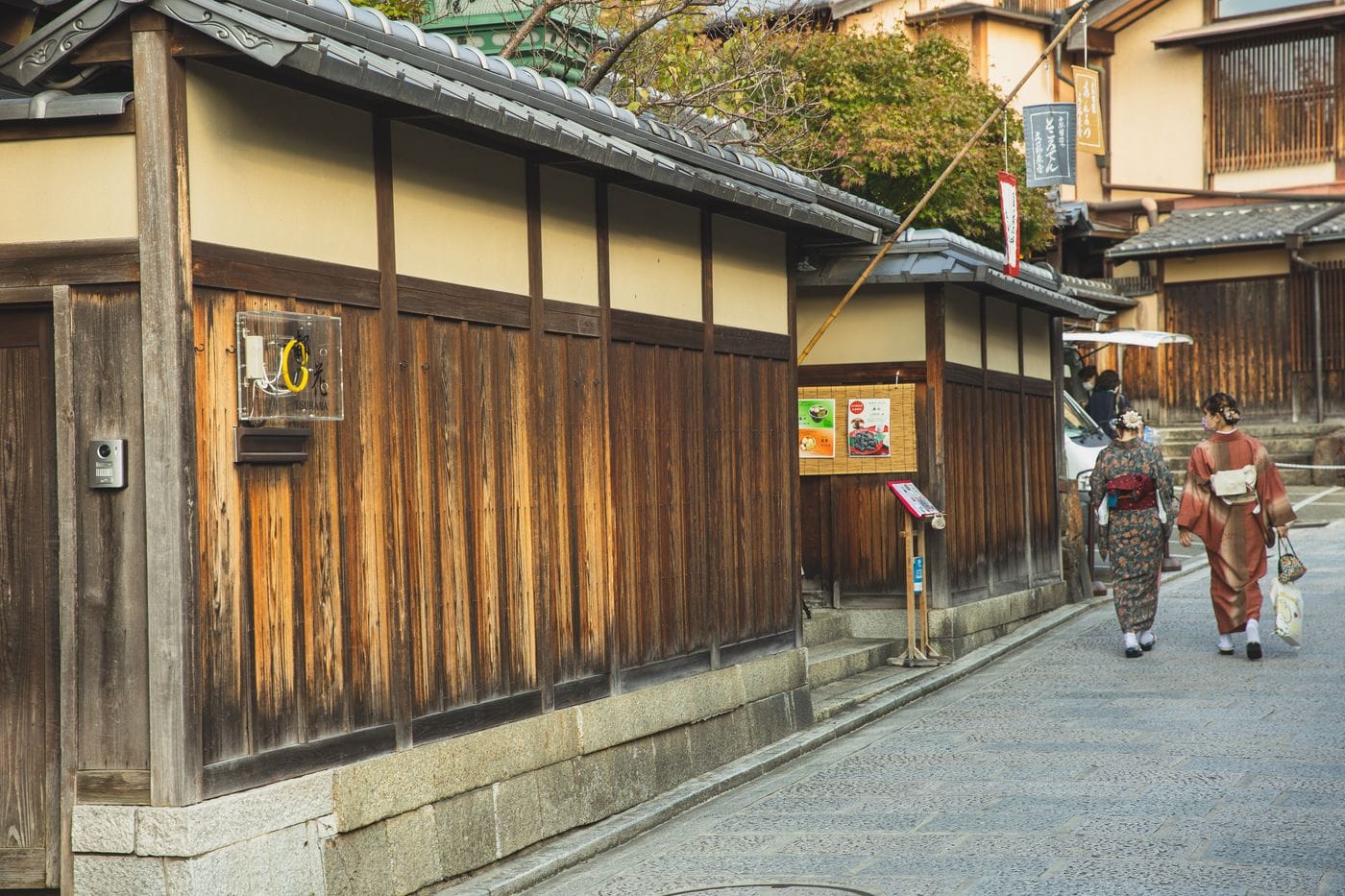
A machiya (町家) is a traditional Kyoto townhouse — a narrow-fronted wooden building that stretches back from the street through a sequence of rooms, gardens, and work spaces. The design evolved over centuries to accommodate both commercial activity (front room) and residential life (progressively deeper rooms) within Kyoto’s traditional city blocks. Kyoto once had over 100,000 machiya. By the early 2000s, demolition had reduced this to ~50,000. Today, ~400–500 are available for short-term rental.
🐟 Unagi no Nedoko (“Eel’s Bed”)
The characteristic narrow floor plan — typically 5–10m wide, 30–60m deep — evolved as a response to property taxation based on street frontage. Minimizing width and extending depth reduced tax while maximizing usable space.
🌿 Tsubo-niwa (坪庭) Interior Garden
Small interior gardens — sometimes only 2–3 square meters — embedded within the building at intervals. These tiny gardens provide light, ventilation, and visual nature within the enclosed interior. Even in the smallest machiya, visible greenery fundamentally changes the quality of the space.
🪟 Mushikomado Windows
The characteristic latticed upper windows of machiya facades — horizontal slat windows providing ventilation and light while maintaining privacy. The horizontal shadow patterns they cast are one of the defining visual elements of the Kyoto streetscape.
What to Expect: A Typical Stay
Check-in: Most machiya involve keybox or code entry — detailed English instructions provided by vetted properties. Entry (genkan): Remove shoes at the entrance step — you are entering a genuine private domestic space. The transition from street to interior begins the experience. A typical two-person machiya provides: combined living/dining with low table and cushions; tatami sleeping room with futon; a small equipped kitchen; one or two tsubo-niwa gardens visible from the interior. The private bath is often a highlight — premium machiya include hinoki (cypress wood) baths among the finest private bathing experiences in Kyoto.
The Experience of Living in a Machiya
What distinguishes machiya from a ryokan or hotel is the quality of privacy and normalcy. You are not a guest in someone else’s home — you are living, temporarily, in a house, in a neighborhood. The morning walk to the neighborhood bakery, shopping at Nishiki Market vendors, the ritual of closing wooden shutters at night — these ordinary activities take on a new quality from the base of a 100-year-old Kyoto townhouse. The neighborhood character matters enormously. The best machiya are positioned in historical residential districts — Nishiki, Nakagyō, the streets between Shijō and Gojō — where the surrounding buildings reinforce rather than contradict the experience.
Choosing & Booking
Solo / Couples
Single-room machiya in central Kyoto: approx. ¥15,000–¥30,000/night (~$100–$200 USD). Most intimate introduction to machiya living.
Families / Groups (4–8 people)
¥30,000–¥80,000/night — exceptional value vs multiple hotel rooms, plus group cooking and living space hotels cannot provide.
Booking platforms: Dedicated machiya operators such as Machiya Residence Inn and Iori Machiya Stay · Stay Japan · individual listings on Airbnb (look for verified properties with English-language support and authentic heritage descriptions).
Who Should Stay in a Machiya
✔ Those wanting to live Kyoto, not just visit it
✔ Families wanting group space + authentic character
✔ Architecture & Japanese design enthusiasts
✔ Travelers who cook — kitchen access + Nishiki Market