This article may contain affiliate links. If you book through them, we may earn a small commission at no extra cost to you.
Mie Hotel Guides · Tsu Station
Best Hotels Near Tsu Station: The One-Syllable Capital &
Its National-Treasure Temple Town
Kintetsu × JR · Mie’s Capital · Senju-ji’s National Treasures · Tsu Kannon · Nagoya ~50 min
⛩️ Takada Honzan Senju-ji — two National Treasure halls, almost unknown
🗼 Tsu Kannon — counted among Japan’s three great Kannon temples
🍱 Unagi city — Tsu eats more eel per capita than almost anywhere
🚆 Kintetsu expresses: Nagoya ~50 min, Osaka ~90 min
On this page
What Kind of Area is Tsu? A Local’s Honest Take
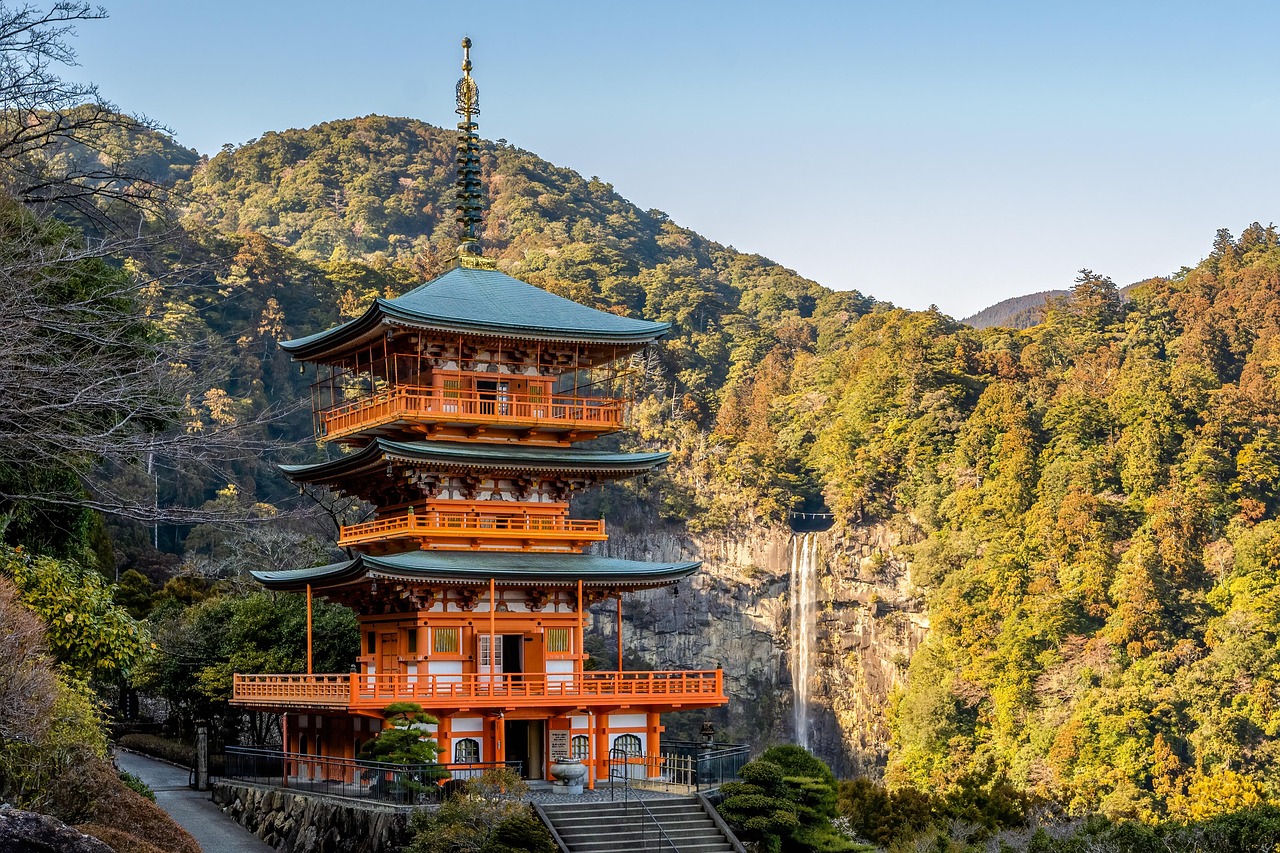
Tsu wins pub quizzes as Japan’s shortest place name and then gets skipped by travelers racing between Nagoya and Ise — a mistake this guide exists to correct. Twenty minutes north of the station, the temple town of Isshinden wraps around Takada Honzan Senju-ji, the head temple of a major Shin Buddhist branch whose colossal Mieido and Nyoraido halls won National Treasure status in 2017 — Higashi Honganji scale, parking-lot crowds of a dozen. It is one of central Japan’s most astonishingly undervisited masterpieces.
Downtown, Tsu Kannon — by tradition one of Japan’s three great Kannon temples with Asakusa and Osu — anchors the old merchant grid, and the city’s table pride runs to unagi: cheap-ish, char-crisp eel houses everywhere (Tsu’s per-capita consumption duels the famous names) plus the local “Tsu gyoza,” a palm-size deep-fried school-lunch legend. The yacht harbor and long Ise Bay beaches give the capital a breezy edge, and Kintetsu expresses put Nagoya ~50 minutes and Osaka ~90 away, with Ise-Shima unrolling south.
Hotels are prefectural-capital practical — full-service standbys and chains at kindly rates — and evenings are calm. Tsu is the connoisseur’s Mie base: treasures without queues, eel without markups.
Senju-ji on a weekday morning is the experience Kyoto can no longer sell: two National Treasure halls, incense drifting, and you — nearly alone — on 750 years of temple-town streets. Follow it with downtown unagi and you have out-traveled the crowds entirely.
Getting Around from Tsu
🚆 Rail
Kintetsu: Nagoya ~50 min, Ise-shi ~15 min, Osaka-Namba ~90 min. JR shares the station (Ise/Nagoya locals); the Ise Railway shortcut serves Suzuka.
🚌 Local
Buses and the Kintetsu branch reach Senju-ji’s temple town (~20 min); Tsu Kannon is a 15-minute walk.
⛴️ The bay
High-speed boats once linked Centrair — check current services; beaches and the yacht harbor line the east.
What to See Around Tsu
⛩️ Senju-ji & Isshinden
The National Treasure halls, temple-town lanes and treasure-house scrolls — allow an unhurried half day.
🗼 Tsu Kannon & the old grid
The great Kannon’s grounds, shopping-street arcades and castle-ruin park with its samurai founder Todo Takatora’s story.
🍱 The eel circuit
Century unagi houses at lunch prices — ask your hotel desk for their allegiance; everyone has one.
Where Should You Actually Stay?
Capital-practical stock around the station’s twin sides.
🏨 Station west (Kintetsu side): The main hotel cluster.
🌅 Beach/harbor side: Resort-ish options toward the bay.
Recommended hotels
- Miyako City Tsu — the polished full-service pick by the station.
- Chain business hotels around both exits — dependable capital-city value.
Overall Rating: Tsu Area
| Category | Rating | Notes |
|---|---|---|
| Transport Access | ★★★★☆ | Kintetsu + JR; Ise-Shima gateway |
| Around the Station | ★★★☆☆ | Calm capital downtown |
| Food & Sights | ★★★★☆ | Hidden treasures + eel excellence |
| Hotel Choice | ★★★☆☆ | Practical, fairly priced |
| Charm & Atmosphere | ★★★★☆ | Understated, deeply rewarding |
Who Should Stay Here?
✔ Temple travelers — Senju-ji is a revelation
✔ Eel devotees on a budget
✔ Ise-Shima itineraries wanting a calmer base
✔ Suzuka race-weekend strategists