This article may contain affiliate links. If you book through them, we may earn a small commission at no extra cost to you.
Japan Adventure Guide · Bungee Jumping
Bungee Jumping in Japan:
Where Locals Actually Jump
Five Spectacular Sites — Japan’s Meticulous Safety Standards Meet Stunning Mountain Scenery
🏆 Gifu — Japan’s highest at 215m
🍂 Autumn foliage gorge at Ryujin
🗼 Day-trippable from Tokyo (Minakami, Gunma)
✅ Strictest safety standards in Asia
On this page
Why Bungee Jumping in Japan Is Different
Japan has a quietly thriving bungee jumping scene, with facilities that combine the rigorous safety standards Japan applies to every industry with some genuinely spectacular locations: gorges, bridges over forested valleys, and views that make the freefall feel cinematic. The briefings are meticulous. Equipment is checked and rechecked. Staff are professional and calm. You will feel completely safe before you jump — which, paradoxically, makes the psychological barrier of actually jumping feel higher.
Japan’s Top 5 Bungee Sites
1. Gifu Bungy (岐阜バンジー) — Gifu · 215m · JAPAN’S HIGHEST
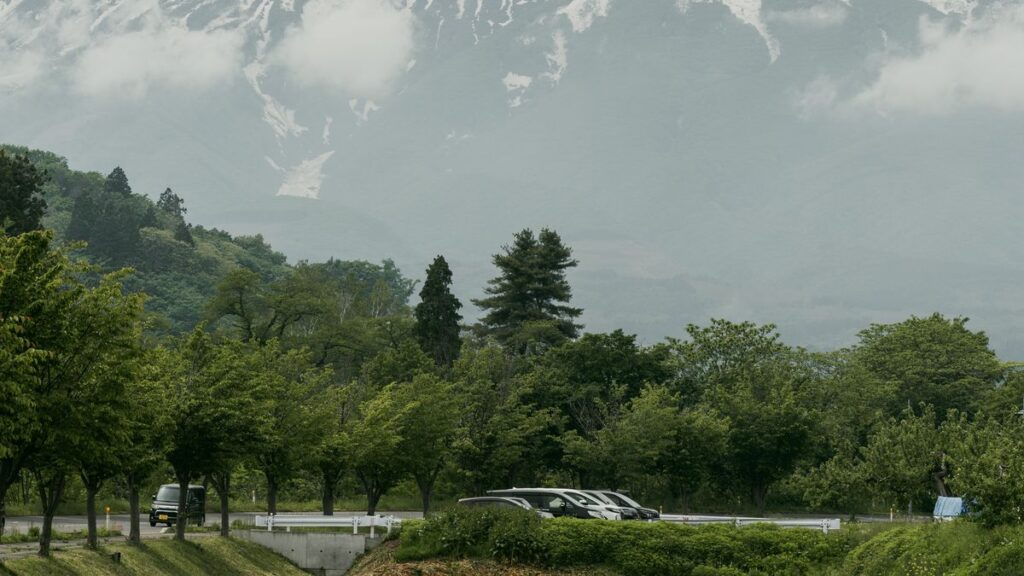
Japan’s tallest bungee by a huge margin: a 215-meter plunge from a highway bridge deep in the Gifu mountains, operated by Bungy Japan. This is a bucket-list jump — book well ahead and check the operator’s site for current prices and access.
🏆 2. Ryujin Bungee (竜神バンジー) — Ibaraki · 100m
¥19,000 (approx. $127) first jump · Weight: 40–110kg · 2.5–3 hrs from Tokyo by car · bungyjapan.com (price checked July 17, 2026)
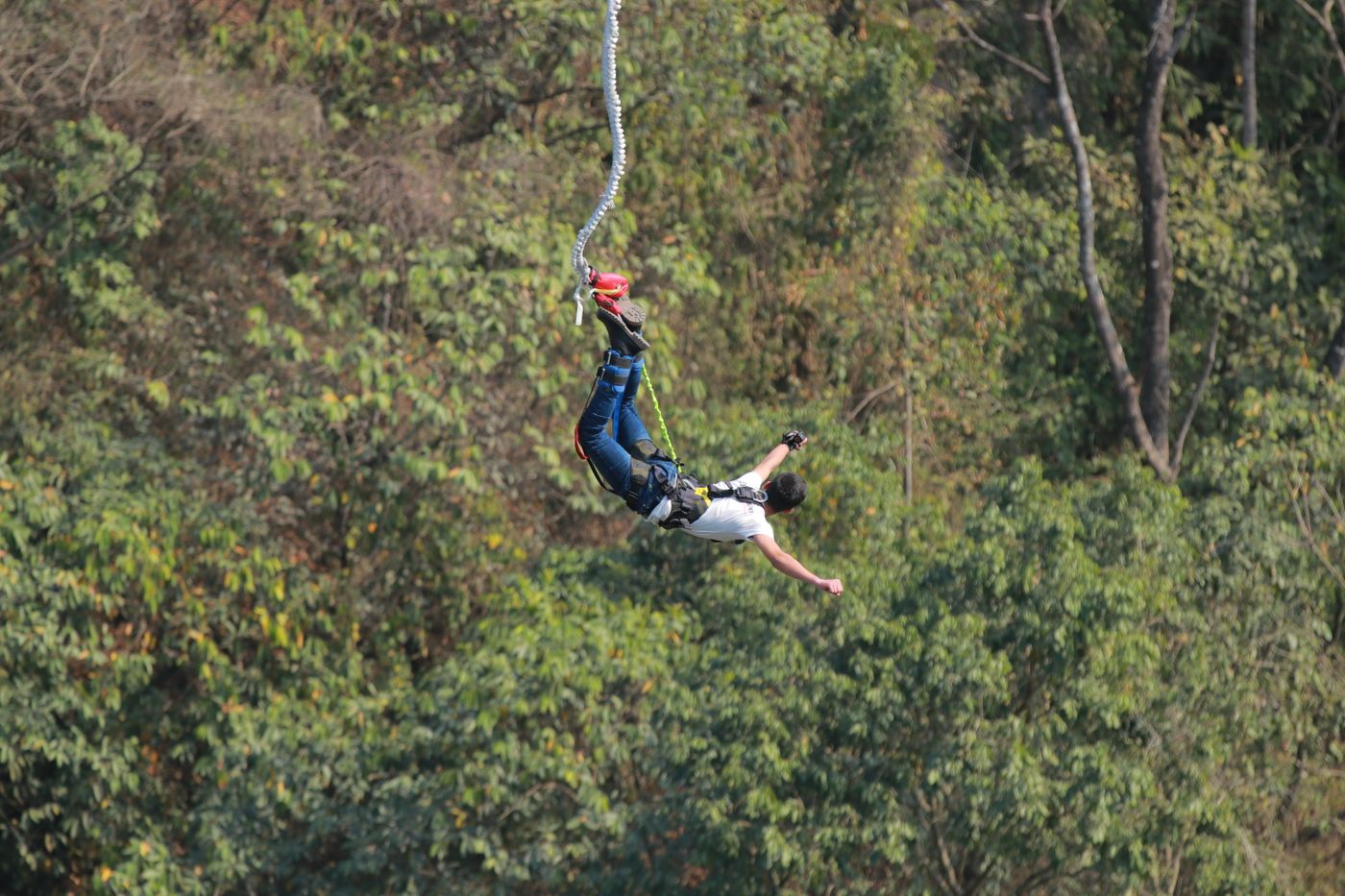
From the Ryūjin Dam suspension bridge spanning a deep forested gorge, 100 meters above the reservoir. Operated by Bungy Japan — the most established operator in the country, using New Zealand-certified Adrenalin Forest equipment. In autumn, the gorge foliage turns red and orange, creating one of the most visually spectacular bungee settings anywhere. The water touch option — cord calibrated to dip hands or feet into the reservoir — is particularly popular.
✦ Advance reservation strongly recommended · Closed on rainy days with high water levels
3. Kijima Kogen Park Bungee — Beppu, Oita
Excellent for first-time jumpers. Within Kijima Kogen amusement park in famous onsen city Beppu. Staff are patient and encouraging with nervous jumpers. Views over Oita mountains toward Beppu Bay. After jumping, Beppu’s extraordinary hot spring culture provides ideal recovery.
4. Minakami & Sarugakyo Bungy — Gunma
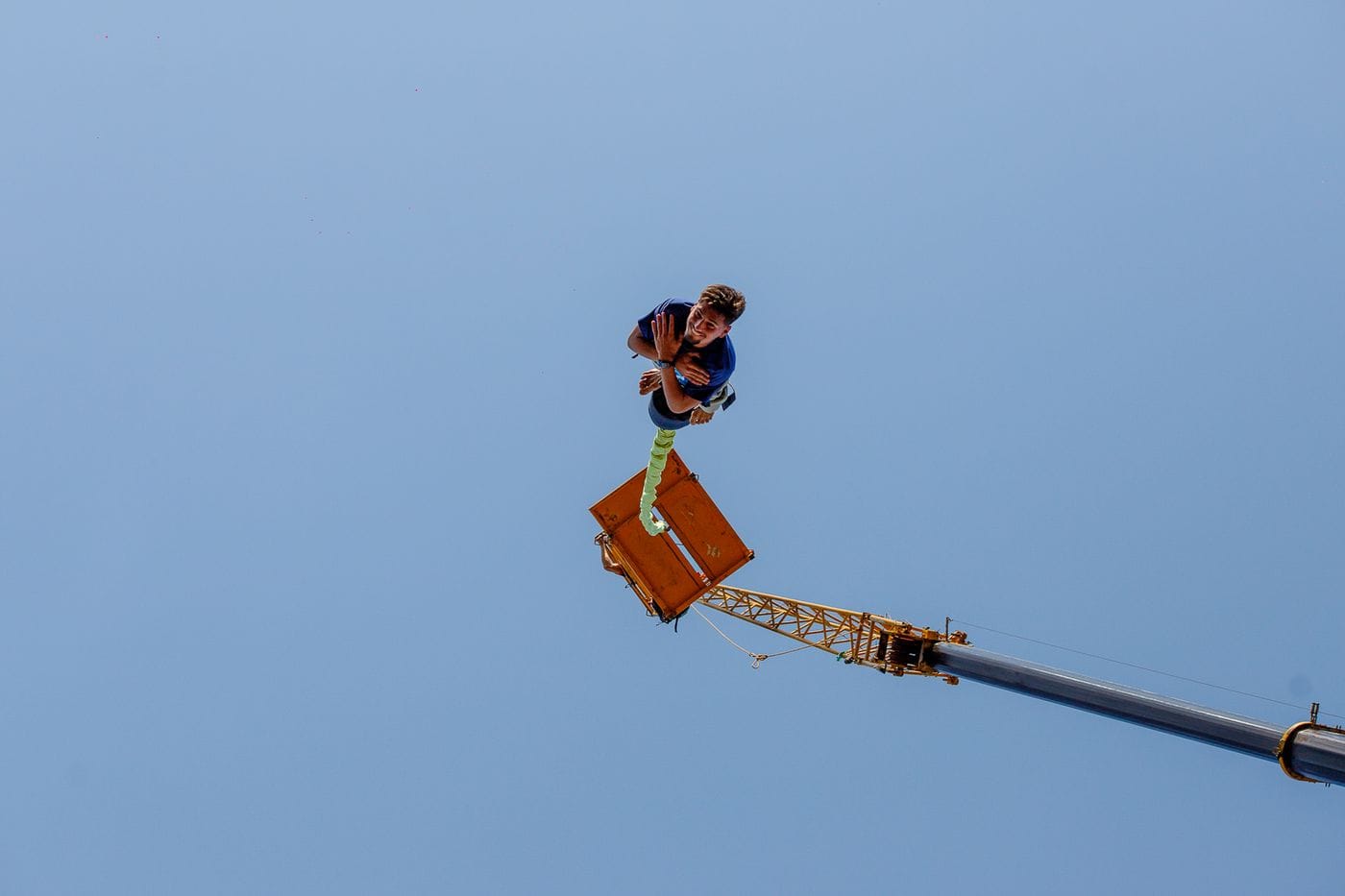
Bungy Japan’s original home turf, day-trippable from Tokyo via the Joetsu Shinkansen: the 42-meter Minakami bridge jump over the Tone River, and the higher 62-meter Sarugakyo jump nearby. Minakami pairs naturally with the area’s rafting and onsen scene.
What to Expect: Step by Step
- Arrive, present ID, sign waiver, weight check (mandatory for cord calibration)
- Safety briefing (most facilities can provide basic English explanation)
- Full-body harness fitted by trained staff; ankle attachments added
- Walk to platform — often the most psychologically challenging moment
- Countdown signal · Freefall · Exhilaration replaces fear immediately
- Recovery: hoisted back or lowered to ground by staff
Japan’s Safety Standards
All legitimate Japanese bungee facilities: certified cords with documented load ratings and replacement schedules · mandatory weight verification · clear medical exclusions (pregnant, heart conditions, high blood pressure) · staff holding international safety certifications · weather cancellations taken seriously. This is not a country that cuts corners on safety.
Who Should Try Bungee Jumping in Japan
✔ First-timers wanting the safest environment (Beppu)
✔ Height seekers (Gifu 215m; Ryujin 100m + autumn foliage)
✔ Tokyo visitors on a day trip (Minakami, Gunma)
✔ Adventure travelers combining with onsen recovery
🏨 Planning where to stay?
Every area guide on this site pairs with honest, station-by-station hotel picks. Start here: Hotel Guides by Station →