This article may contain affiliate links. If you book through them, we may earn a small commission at no extra cost to you.
On this page
Introduction: The Café Circuit Is the Actual Itinerary
Ask a group of Japanese women planning a Kyoto girls’ trip (女子旅 / joshi-tabi) what the plan is, and the honest answer is often built around cafes and photo spots first, temples second. That isn’t a lack of interest in the temples — it’s a different structure for the day, where a beautifully plated pancake stack or a rainbow-colored cream soda is treated as a legitimate destination in its own right, not just a rest stop between sights.
The Café Circuit
Pancakes: thick, souffle-style pancakes — a genre Japan effectively perfected and exported back to the rest of the world — remain the anchor order at most of the cafes on a typical joshi-tabi route, usually paired with seasonal fruit or matcha cream depending on the season.
Cream soda (クリームソーダ): a retro kissaten staple — bright blue or green soda with a scoop of vanilla ice cream floating in it — that has come back into fashion specifically because it photographs well, with some cafes now running twenty or more color and flavor variations.
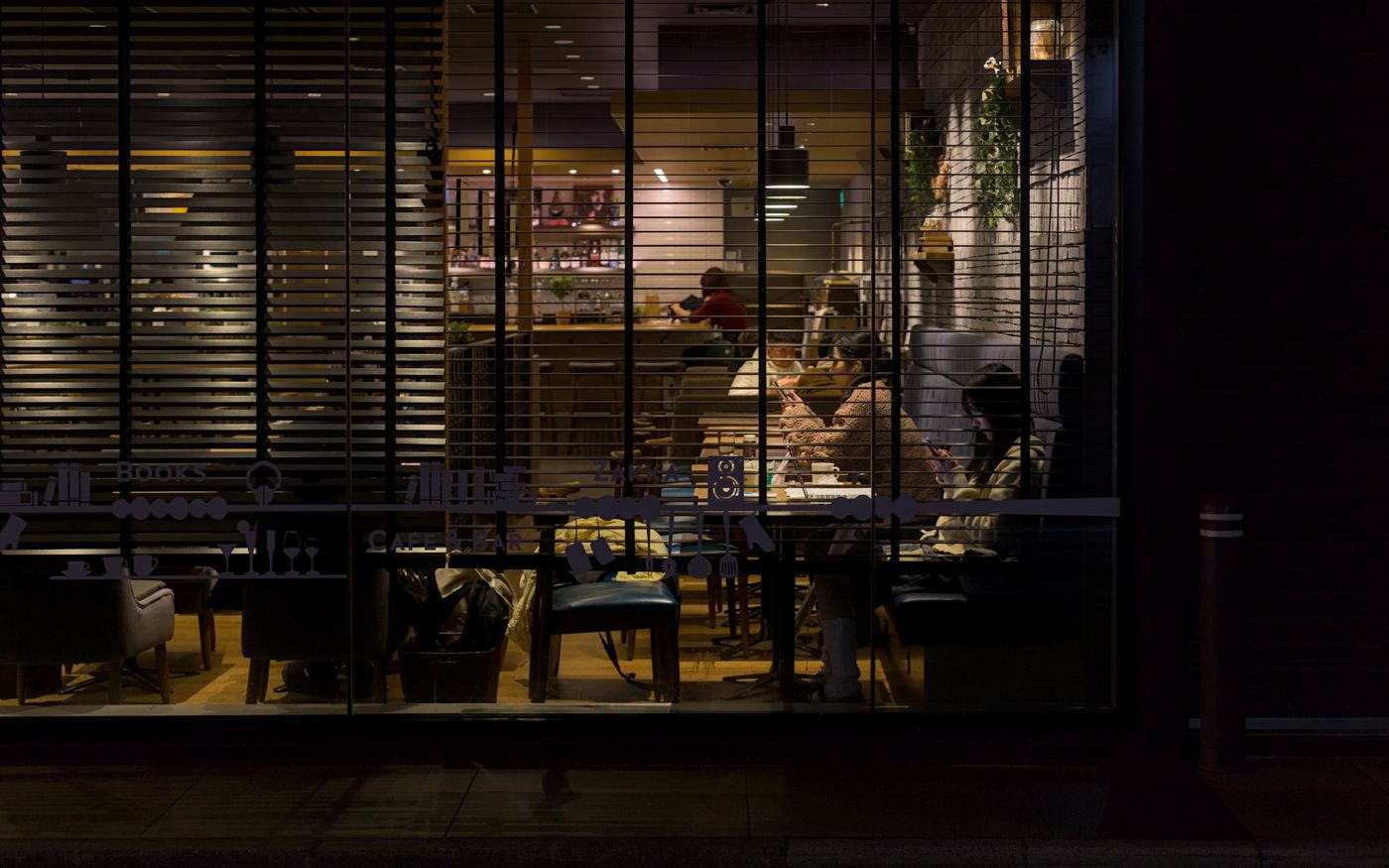
Machiya cafes: converted century-old townhouses, especially around Kawaramachi and Higashiyama, that combine the food with an interior worth photographing on its own — exposed wood beams, a small interior garden, low tables on tatami.
Purikura and the Photo Habit
Purikura (プリクラ, photo booths with built-in digital editing — skin smoothing, eye enlarging, sparkle overlays) remain a genuine group-trip ritual, not a relic of the 2000s as they’re sometimes assumed to be abroad. Arcades in Shinsaibashi, Osaka, and central Kyoto still run dense purikura floors, and a session with friends is treated as a standard stop, usually timed for after a big shopping or sightseeing block rather than first thing in the day.
Building a One-Day Joshi-Tabi Route in Kyoto
Morning: Fushimi Inari before 8am, when the crowds are thin enough for good photos at the upper torii gates.
Midday: a machiya cafe near Kawaramachi or Gion for lunch and the pancake-or-cream-soda order of the day.
Afternoon: Kiyomizu-dera and Jishu Shrine, then the Ninenzaka and Sannenzaka slopes, where kimono rental shops cluster for anyone building photos into the day.
Evening: Gion for the atmosphere and, if timing allows, a purikura stop before dinner.
What to Actually Book Ahead
Kimono rental for photos and popular machiya cafes both fill up on weekends and during cherry blossom or autumn color season — both are worth reserving a few days ahead rather than walking in, especially for a group larger than two.
🏨 Planning where to stay?
Every area guide on this site pairs with honest, station-by-station hotel picks. Start here: Kyoto Hotel Guides →